Revolutionizing Modern Automotive Manufacturing
The automotive industry is one of the fastest-growing manufacturing sectors, where precision, speed, and quality are critical. From engine components to electric vehicle (EV) battery packs, manufacturers are increasingly adopting laser machines for automobile industry applications to improve production efficiency and reduce manufacturing costs.
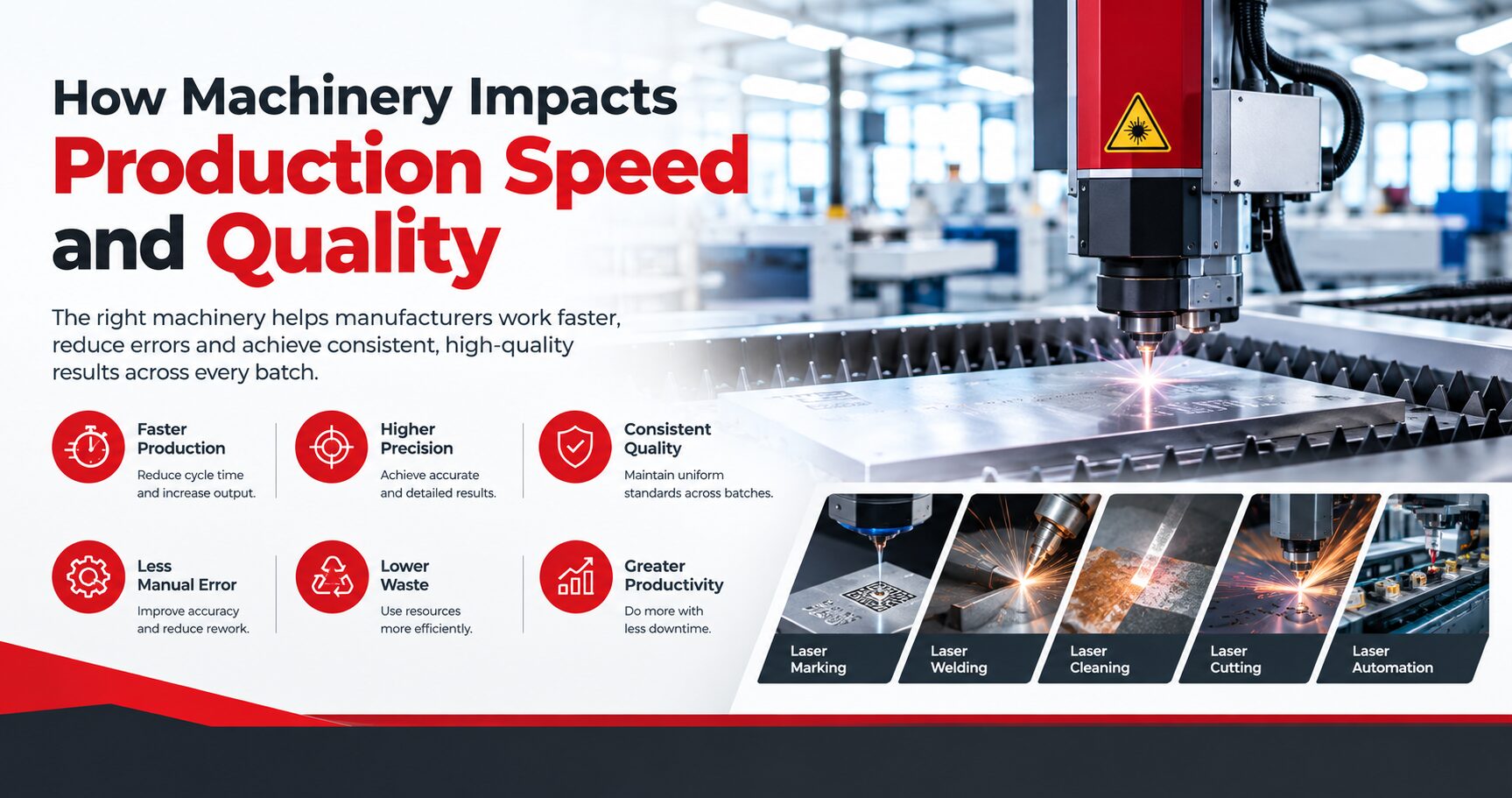
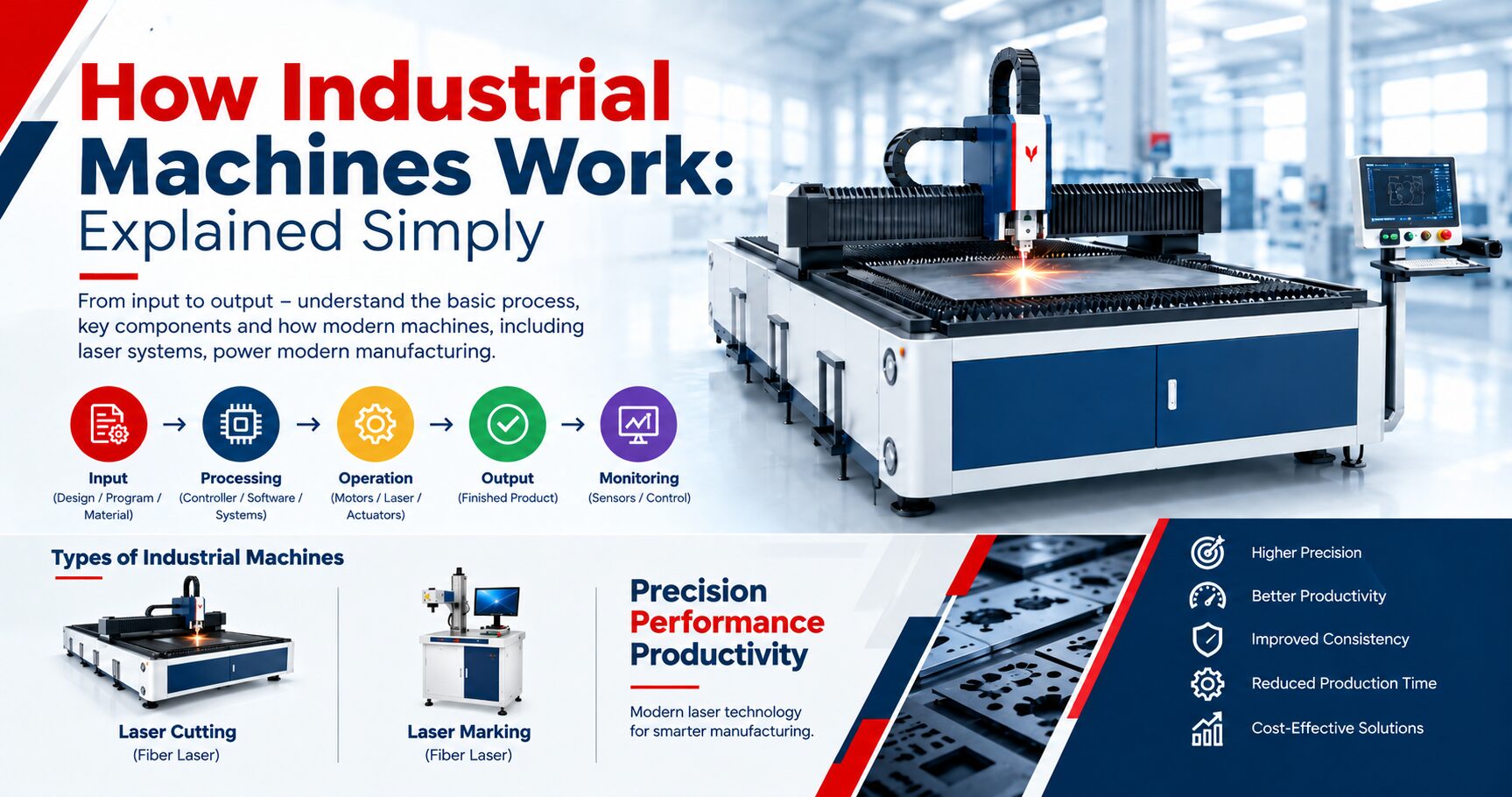
Modern laser marking machines, laser welding machines, and laser cleaning machines have become indispensable tools in automotive manufacturing because they provide unmatched accuracy, repeatability, and automation.
Whether you’re manufacturing passenger vehicles, commercial vehicles, electric vehicles, or automotive components, laser technology helps achieve superior product quality while increasing productivity.
Why the Automobile Industry is Adopting Laser Technology
Automotive manufacturers require permanent identification, strong weld joints, contamination-free surfaces, and high-speed production.
Laser technology offers:
- High precision
- Faster production
- Permanent marking
- Low maintenance
- Automation compatibility
- Contactless processing
- Reduced material wastage
- Environment-friendly manufacturing
These advantages make laser systems ideal for modern automotive production lines.
Laser Machines Used in the Automobile Industry
Automotive manufacturers typically use four major laser technologies.
1. Fiber Laser Marking Machine
A fiber laser marking machine is used to create permanent identification marks on automotive parts.
Applications include:
- VIN Number Marking
- QR Code Marking
- Barcode Marking
- Chassis Number
- Engine Number
- Part Traceability
- Logo Engraving
- Batch Number
- Date & Time Marking
Laser marking ensures permanent, high-contrast markings that remain readable throughout the product’s life.
2. Laser Welding Machine
A laser welding machine provides fast, clean, and high-strength welds for automotive manufacturing.
Applications include:
- Chassis Components
- Exhaust Systems
- Fuel Tanks
- Seat Frames
- Body Panels
- Gear Components
- Steering Parts
- Electric Vehicle Battery Packs
Compared to conventional welding, a fiber laser welding machine produces stronger welds with minimal heat distortion.
3. Laser Cleaning Machine
Before welding or painting, automotive parts require clean surfaces.
A laser cleaning machine removes:
- Rust
- Paint
- Oxidation
- Oil
- Grease
- Carbon Deposits
Unlike chemical cleaning, laser cleaning is eco-friendly and does not damage the base material.
4. Laser Cutting Machine
Laser cutting is widely used in automotive sheet metal fabrication.
Applications include:
- Door Panels
- Roof Panels
- Dashboard Parts
- Chassis Components
- Interior Metal Parts
- Custom Fabrication
Laser cutting delivers burr-free edges and high dimensional accuracy.
Automotive Components Processed Using Laser Machines
Modern laser systems can process a wide variety of automotive components.
These include:
- Engine Components
- Brake Parts
- Gearbox Components
- Shock Absorbers
- Bearings
- Pistons
- Cylinder Heads
- Clutch Plates
- Radiators
- Steering Components
- Airbag Parts
- Fuel Injectors
- Wheels
- Suspension Parts
- Battery Modules
- EV Battery Packs
Laser Marking for Automotive Parts
A laser marking machine for automotive parts creates permanent identification without damaging the component.
Industries use laser marking for:
- Serial Numbers
- QR Codes
- Data Matrix Codes
- Part Numbers
- Inspection Marks
- Manufacturer Logos
- Traceability Information
Permanent laser marking improves product tracking throughout the supply chain.
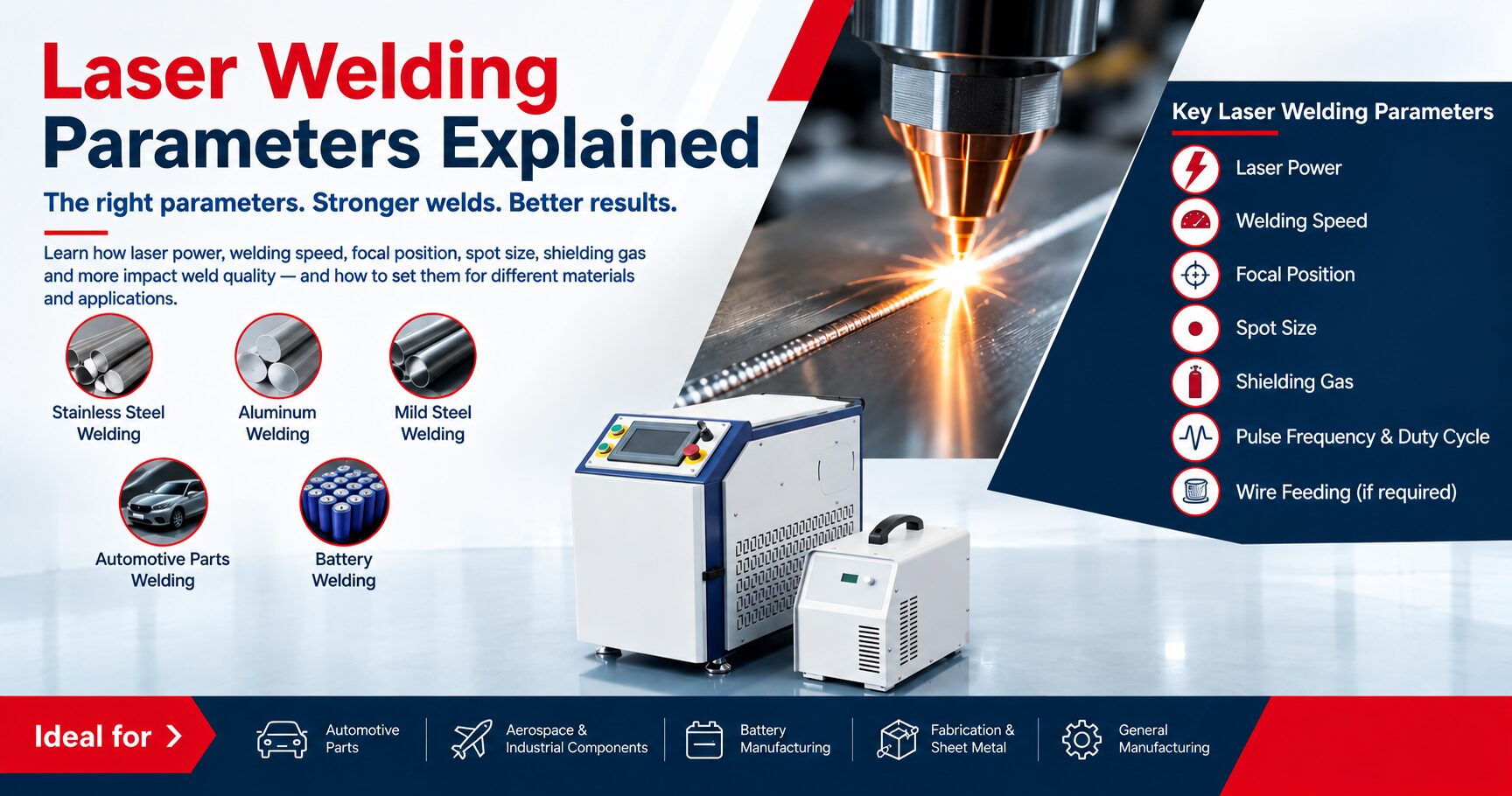
Laser Welding for Automotive Parts
One of the fastest-growing applications is laser welding for automotive parts.
Laser welding provides:
- Deep penetration
- High-strength joints
- Smooth weld finish
- Minimal distortion
- Low heat affected zone
- High production speed
Automotive manufacturers use handheld laser welding machines, platform laser welding machines, and robotic laser welding systems depending on production requirements.
Battery Laser Welding Machine for Electric Vehicles
The electric vehicle industry has significantly increased demand for the battery laser welding machine.
Laser welding is used for:
- Battery Tabs
- Busbars
- Battery Modules
- Battery Packs
- Copper Connectors
- Aluminum Connectors
The high precision of laser welding ensures excellent electrical conductivity while minimizing thermal damage.
Fiber Laser Welding Machine in Automobile Manufacturing
A fiber laser welding machine offers several advantages over traditional welding methods.
Benefits include:
- High welding speed
- Superior weld quality
- Low maintenance
- Automation ready
- Reduced operating cost
- Consistent production
It is ideal for both mass production and precision manufacturing.
Stainless Steel Laser Welding in Automotive Industry
Many automotive exhaust systems and structural parts are manufactured using stainless steel laser welding.
Advantages include:
- Strong weld joints
- Corrosion resistance
- Better aesthetics
- Less discoloration
- Minimal finishing work
Aluminum Laser Welding Machine
As vehicle manufacturers focus on lightweight designs, aluminum has become increasingly popular.
An aluminum laser welding machine enables manufacturers to produce:
- EV Battery Cases
- Lightweight Chassis
- Heat Exchangers
- Structural Components
Laser welding minimizes porosity and improves weld strength compared to conventional methods.
Precision Laser Welding Machine
Automotive manufacturing demands repeatable accuracy.
A precision laser welding machine provides:
- Micron-level precision
- High repeatability
- Reduced rejection rates
- Better product consistency
- Improved quality control
This makes it suitable for sensors, electronic assemblies, and precision automotive components.
Industrial Laser Welding System
Large automobile factories use an industrial laser welding system integrated with robotic automation.
Benefits include:
- Continuous production
- Reduced labor costs
- High-speed manufacturing
- Smart factory integration
- Industry 4.0 compatibility
Portable Laser Welding Machine
A portable laser welding machine is widely used by:
- Automotive Workshops
- Repair Centers
- Fabrication Shops
- Service Stations
It offers flexibility while maintaining industrial-grade weld quality.
Laser Cleaning Before Welding
Surface preparation directly impacts weld quality.
Laser cleaning removes contaminants before welding, resulting in:
- Stronger Welds
- Better Penetration
- Less Porosity
- Reduced Rework
Many automotive manufacturers now integrate laser cleaning into automated production lines.
Benefits of Laser Machines in the Automobile Industry
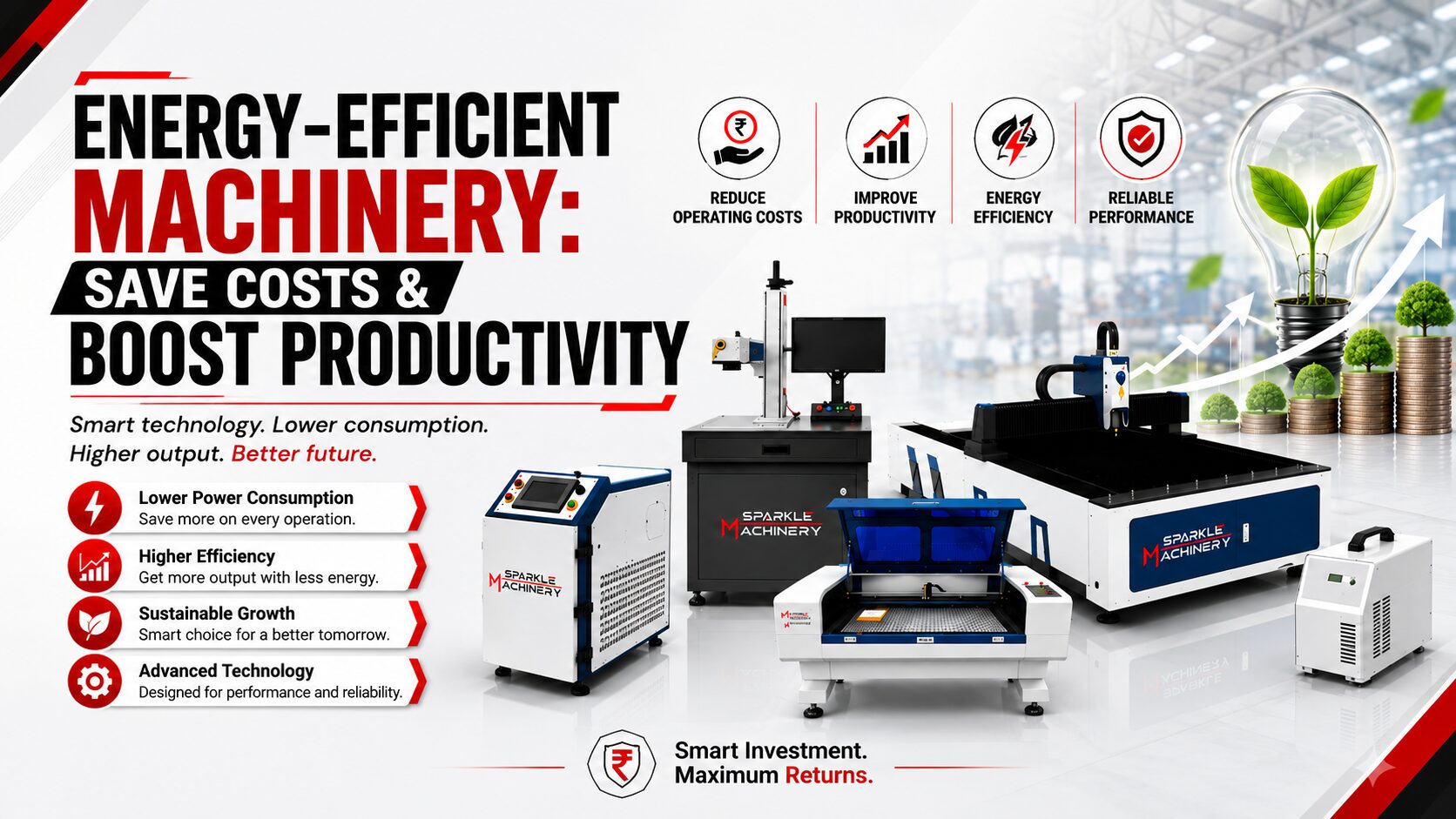
Laser technology provides numerous operational advantages.
Higher Productivity
Laser processing significantly reduces production time.
Excellent Precision
Accurate machining ensures better fitting automotive components.
Lower Manufacturing Cost
Reduced material waste and lower maintenance improve ROI.
Contactless Processing
No tool wear means consistent quality over long production runs.
Automation Ready
Laser systems integrate easily with robots and smart manufacturing.
Environment Friendly
Laser cleaning eliminates the need for chemicals and abrasive media.
Industries Benefiting from Automotive Laser Machines
Laser machines are widely used in:
- Passenger Vehicle Manufacturing
- Commercial Vehicle Manufacturing
- Electric Vehicle Manufacturing
- Auto Component Manufacturers
- OEM Suppliers
- Tier 1 Suppliers
- Tier 2 Suppliers
- Battery Manufacturers
- Sheet Metal Fabricators
- Automotive Service Centers
Choosing the Right Laser Machine for Automotive Manufacturing
When selecting a laser machine, consider:
- Production Volume
- Material Type
- Component Size
- Automation Requirements
- Laser Power
- Cooling System
- Software Compatibility
- After-Sales Support
Choosing the right supplier ensures long-term productivity and reliable performance.
Conclusion
Laser technology is transforming the automotive industry by delivering higher precision, faster production, and superior product quality. Whether it’s laser marking machines, fiber laser welding machines, battery laser welding machines, portable laser welding machines, or laser cleaning machines, these solutions help manufacturers achieve greater efficiency while meeting the demanding standards of modern automobile production.
As electric vehicles and smart manufacturing continue to grow, investing in advanced laser machines has become a strategic decision for automotive manufacturers seeking improved productivity, consistent quality, and long-term cost savings.