Introduction
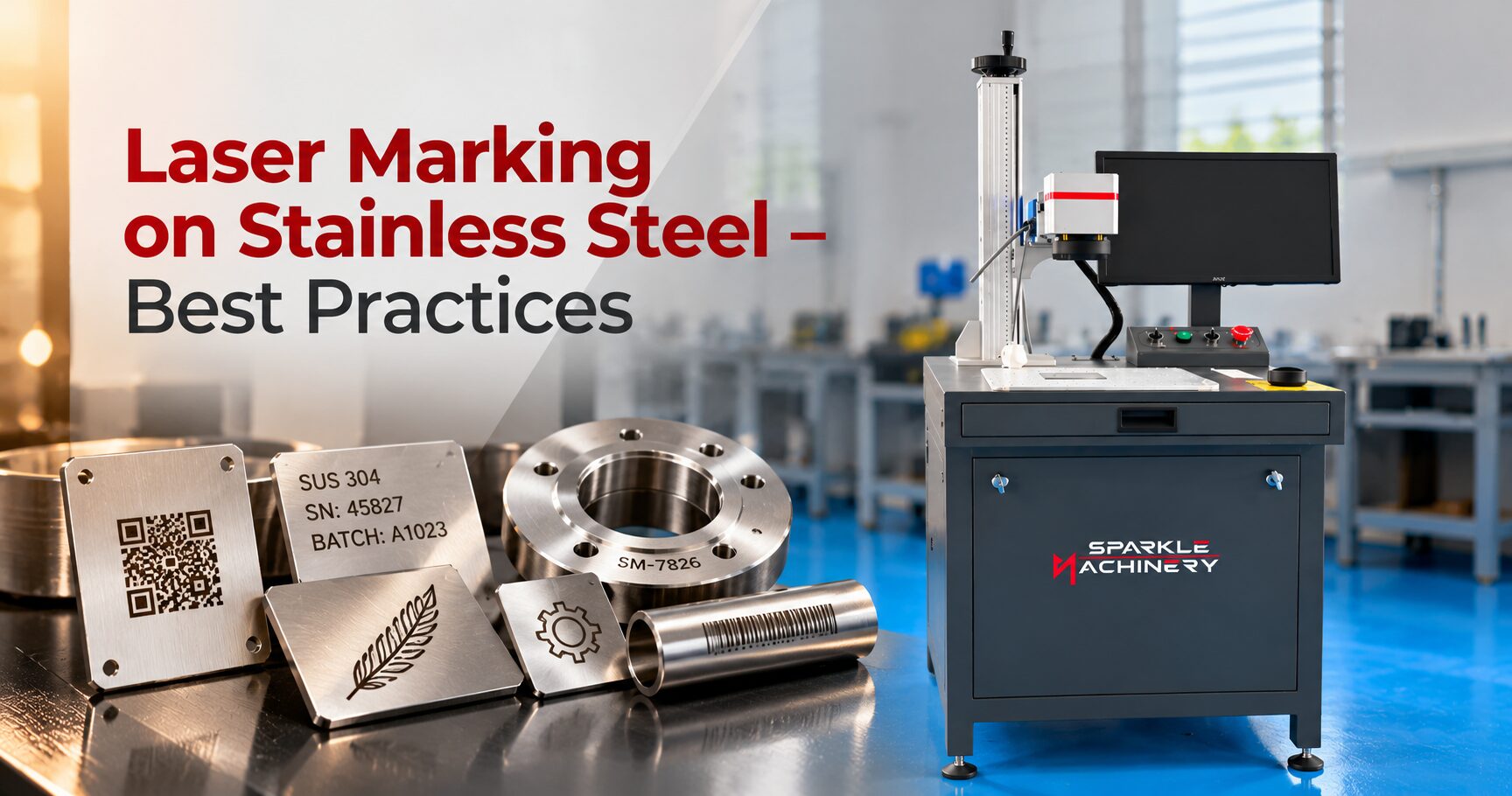
Stainless steel is widely used in automotive components, medical instruments, kitchen equipment, industrial tools, electrical panels, engineering parts and consumer products. Manufacturers often need to mark stainless steel with serial numbers, logos, QR codes, barcodes, batch numbers and product identification details.
Traditional marking methods may require consumables, physical contact or additional processing. A laser marking machine offers a precise, fast and durable way to create identification marks directly on stainless steel surfaces.
With the right settings and equipment, a fiber laser marking machine can produce clear, high-contrast and permanent marks while maintaining the component’s surface quality. This guide explains the best practices for achieving consistent stainless steel laser marking results.
What Is Laser Marking on Stainless Steel?
Laser marking on stainless steel uses a focused laser beam to modify the surface of the metal and create text, graphics, serial numbers, barcodes or other identification patterns.
Depending on the laser source and processing parameters, the result may be a dark mark, a light mark, a coloured mark or a shallow engraved pattern.
A metal laser marking machine is commonly used for industrial applications where accuracy, repeatability and long-lasting identification are important. The correct industrial laser marking system depends on the stainless steel grade, surface finish, marking requirements and production volume.
Common applications include:
- Serial numbers and batch identification
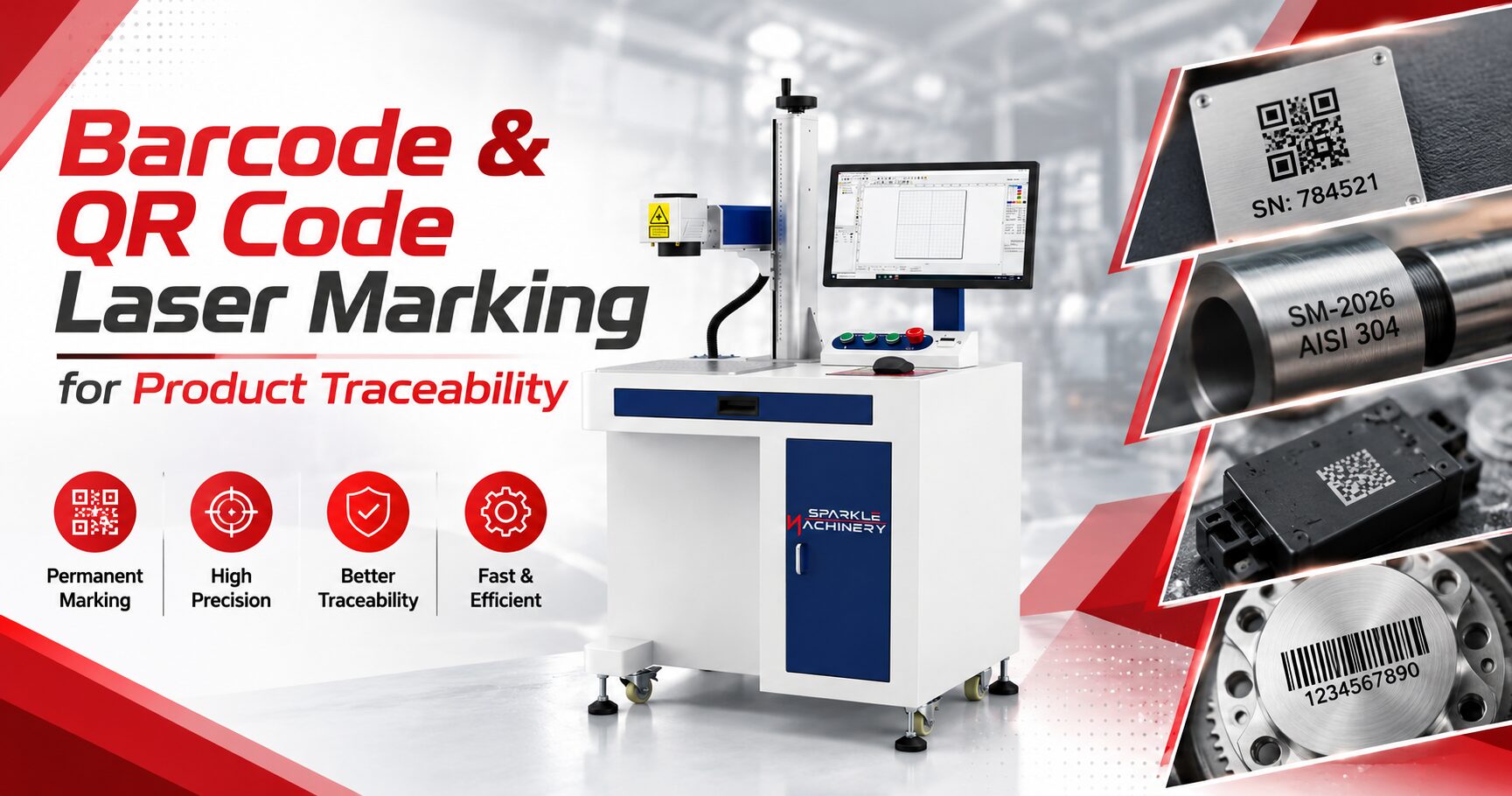
- QR codes, Data Matrix codes and barcodes
- Company logos and branding
- Product traceability information
- Technical specifications and warning labels
- Decorative designs and component identification
7 Best Practices for Laser Marking on Stainless Steel
1. Choose the Right Laser Marking Machine
Selecting the right machine is the first step towards achieving high-quality results. For many stainless steel applications, a fibre laser is a practical choice because it can process metal surfaces efficiently and produce precise, durable marks.
A fiber laser marking machine is suitable for marking stainless steel parts, tools, machine components, nameplates, fasteners and industrial products.
For production environments, an industrial laser marking system may also include rotary fixtures, automated loading, vision systems or conveyor integration.
Before selecting a machine, consider:
- Stainless steel grade and surface finish
- Required mark size and depth
- Production speed and daily output
- Component dimensions and shape
- Required contrast and readability
- Manual, semi-automatic or fully automated operation
2. Select the Correct Laser Parameters
Laser power alone does not determine marking quality. Frequency, pulse duration, marking speed, line spacing, focus position and the number of passes all affect the final result.
Incorrect settings may cause uneven marks, excessive heat input, poor contrast or unwanted surface damage.
For the best outcome:
- Start with settings recommended for your laser source.
- Test different speeds and frequencies on a sample.
- Adjust focus to achieve a sharp, consistent mark.
- Check line spacing and hatch patterns for uniform coverage.
- Use multiple passes only when the application requires them.
- Record the final settings for repeat production.
Best practice: Test the exact stainless steel grade and surface finish that will be used in production. Two stainless steel components can respond differently even when they look similar.
3. Optimise Contrast and Mark Appearance
High contrast is essential when marking logos, serial numbers and machine-readable codes on stainless steel.
The desired appearance may be black, white, grey, coloured or engraved, depending on the application. Dark marking on stainless steel generally requires careful control of laser parameters and heat input.
A laser engraving marking machine can create different marking effects depending on the laser source, material and processing strategy. However, surface marking and deep engraving are different processes; deep engraving typically requires more material removal and additional processing time.
To improve contrast:
- Use clean, consistent material.
- Test marking parameters on representative samples.
- Avoid excessive heat that may create an uneven appearance.
- Inspect marks under the lighting conditions used for quality checks.
- Verify readability after cleaning or any required finishing process.
4. Use the Right Machine for the Required Application
Not every laser source is suitable for every material or marking requirement.
A fibre laser is widely used for stainless steel, carbon steel, aluminium and other metals. A UV laser marking machine may be useful for selected applications requiring fine features, heat-sensitive materials or specialised surface marking.
A 5W UV laser marking machine or 10W UV laser marking machine is generally considered for applications where its wavelength and processing characteristics suit the material and mark requirements. These machines are often evaluated for plastics and delicate components, but their suitability for stainless steel must be verified through application testing.
A plastic laser marking machine is designed around the response of particular plastic materials to the laser wavelength and process. It should not automatically be treated as a replacement for a fibre laser system for stainless steel.
Always select the machine after testing the actual material and required marking quality.
5. Prepare the Stainless Steel Surface Properly
Surface condition can affect marking consistency. Oil, fingerprints, dust, coatings and other contaminants may cause uneven results or inconsistent contrast.
Before marking:
- Remove oil and dirt using a suitable cleaning method.
- Ensure the surface is dry before processing.
- Check whether protective films or coatings must be removed.
- Secure the component to prevent movement.
- Keep the marking area consistent between batches.
For products that require corrosion resistance, passivation, cleaning or other post-processing, verify that the marking process does not compromise the required surface properties. Specialised applications may require validation of corrosion resistance after marking.
6. Balance Marking Speed with Quality
High speed laser marking can improve productivity, especially when marking large batches of serial numbers, QR codes or product logos. However, increasing speed without adjusting the other parameters may reduce contrast or code readability.
To balance speed and quality:
- Begin with a stable, validated marking recipe.
- Increase speed in controlled steps.
- Inspect fine text, small symbols and code edges.
- Test the smallest required character size.
- Confirm barcode or QR code readability using the intended scanner.
- Measure actual cycle time, including loading, positioning and unloading.
The goal is not simply to achieve the fastest marking speed. It is to achieve the required quality consistently at the lowest practical cycle time.
7. Verify Mark Durability and Traceability
A permanent laser marking solution should produce marks that remain readable throughout the product’s intended service life.
Durability requirements vary by industry. A decorative mark on a consumer product may have different requirements from a traceability code on an automotive component exposed to heat, cleaning chemicals or abrasion.
For reliable traceability:
- Verify every code using an appropriate scanner or verifier.
- Check that serial numbers and batch details are correct.
- Test marks after relevant cleaning or finishing operations.
- Establish inspection criteria for contrast, size and position.
- Maintain documented machine settings and quality records.
For automated production, a barcode laser marking machine can be integrated with production data systems to mark unique identifiers and support product tracking.
Similarly, a logo marking laser machine can help manufacturers apply consistent branding to stainless steel products, tools, nameplates and finished components.
Types of Stainless Steel Laser Marking
Different applications require different marking effects. Selecting the right process helps achieve the required appearance, durability and performance.
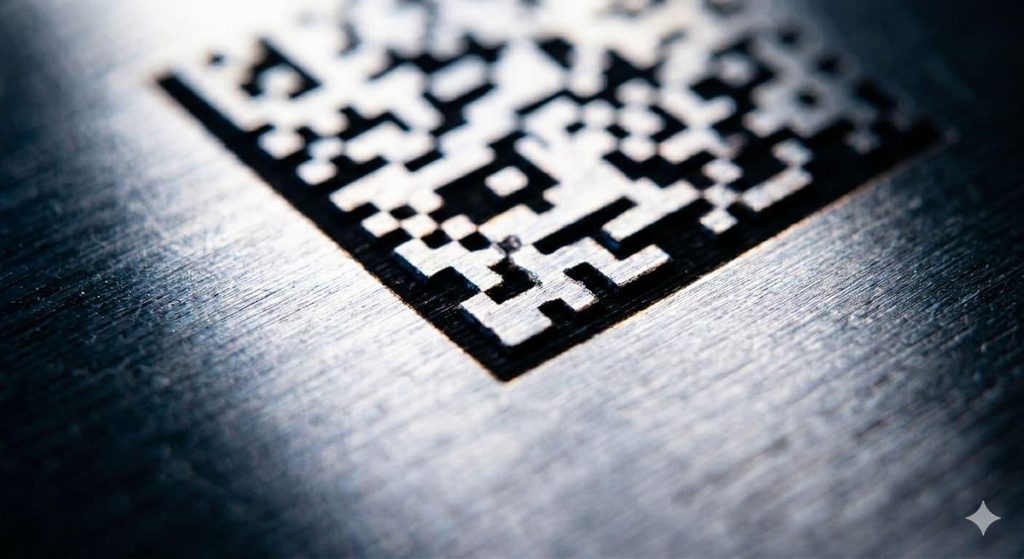
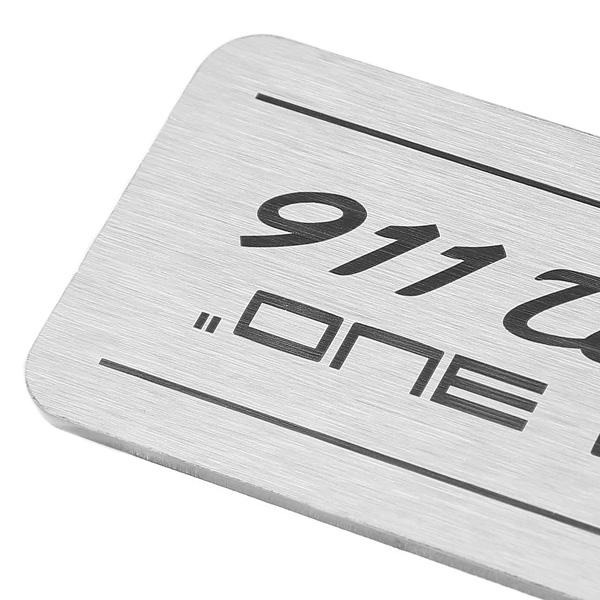
1. Black laser marking
Produces a dark, high-contrast mark on suitable stainless steel surfaces. It is useful for logos, serial numbers and traceability codes where readability is important.
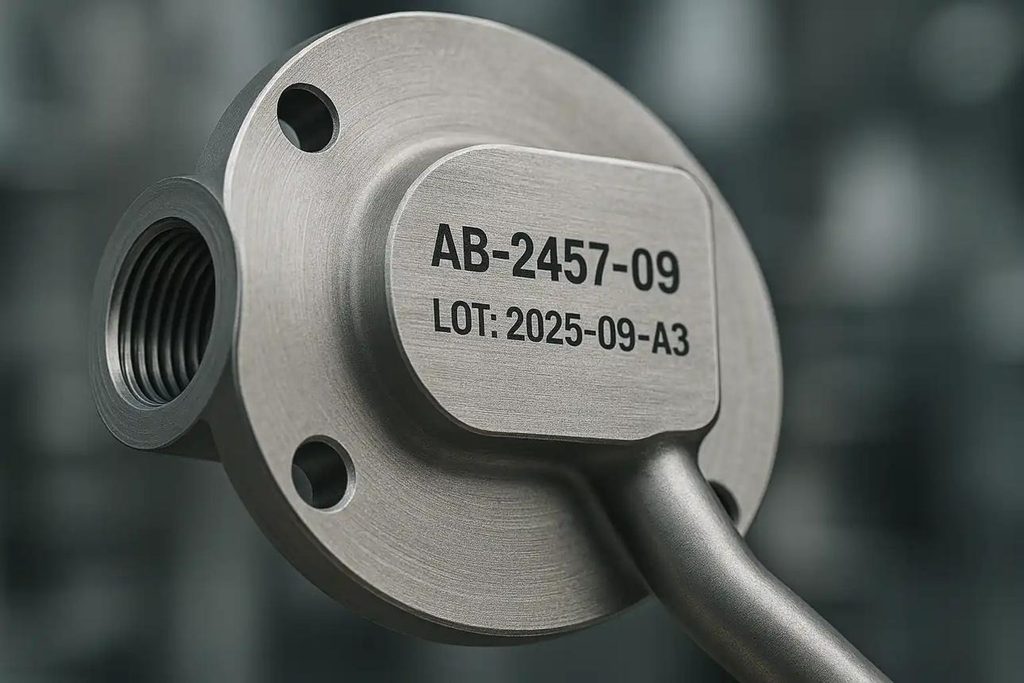
2. Surface etching
Creates contrast through controlled surface modification or material removal. It is suitable for identification marks and applications that require a different finish from black marking.
3. Deep laser engraving
Removes material to create a recessed mark. It may be preferred for parts that require tactile depth or additional resistance to surface wear. It generally takes longer than surface marking.
The final appearance depends on the stainless steel grade, surface finish, laser source and processing parameters. For applications where corrosion resistance is critical, validate the marking process and any required post-marking passivation.
Which Laser Marking Machine Is Best for Stainless Steel?
The best machine depends on the component, required marking quality and production environment.
| Machine type | Typical application |
| Fiber laser marking machine | Stainless steel, aluminium and other metal components |
| Table top laser marking machine | Small and medium-sized parts in a fixed workstation |
| Desktop laser marking machine | Compact workspaces and smaller marking jobs |
| Portable laser marking machine | Marking larger components that are difficult to move |
| Handheld laser marking machine | Applications requiring flexible positioning and access |
| UV laser marking machine | Specialised fine marking and selected heat-sensitive materials |
| Automated laser marking system | Repetitive production and traceability workflows |
A portable laser marking machine, handheld laser marking machine, table top laser marking machine or desktop laser marking machine can be appropriate depending on how parts are loaded, positioned and processed. These configurations describe machine formats; the laser source and its specifications must still be checked for stainless steel compatibility.
For most direct marking of bare stainless steel, a fibre laser is a sensible starting point. UV laser systems can be suitable for specialised applications, but the actual material and required result should be tested before purchase.
What Determines Laser Marking Machine Price in India?
The laser marking machine price India buyers pay varies with machine configuration, laser source, power, work area and automation requirements.
Key factors include:
- Laser power and source technology
- Galvo scanner and lens configuration
- Marking area and required precision
- Rotary fixtures for cylindrical components
- Enclosure and laser safety features
- Vision systems, barcode verification and automation
- Software, installation, training and after-sales support
Before comparing prices, identify the material, mark dimensions, expected production volume and required cycle time. A lower-priced machine may not be the most economical choice if it cannot achieve the required quality or output.
At SM Laser Technology, manufacturers can explore laser marking solutions based on their component requirements and production needs.
Common Stainless Steel Laser Marking Problems and Solutions
| Problem | Possible reason | Recommended action |
| Low contrast | Incorrect laser parameters or unsuitable marking process | Test different parameter combinations |
| Uneven marks | Inconsistent surface finish or focus | Clean the surface and verify focus |
| Blurred text | Incorrect focus, motion or excessive feature size | Check fixture stability and marking setup |
| Poor barcode readability | Incorrect code dimensions or insufficient contrast | Test with the actual scanner or verifier |
| Excessive heat marks | Unsuitable processing parameters | Optimise pulse settings and scan strategy |
| Inconsistent batch results | Material or setup variation | Standardise the process and record validated settings |
A controlled sample-marking process helps manufacturers identify the right combination of quality, speed and repeatability before full-scale production.
Industries Using Stainless Steel Laser Marking
Stainless steel laser marking is used in many manufacturing sectors, including:
- Automotive and auto components
- Medical instruments and equipment
- Food processing machinery
- Electrical panels and enclosures
- Industrial tools and dies
- Pumps, valves and precision engineering
- Kitchenware and consumer products
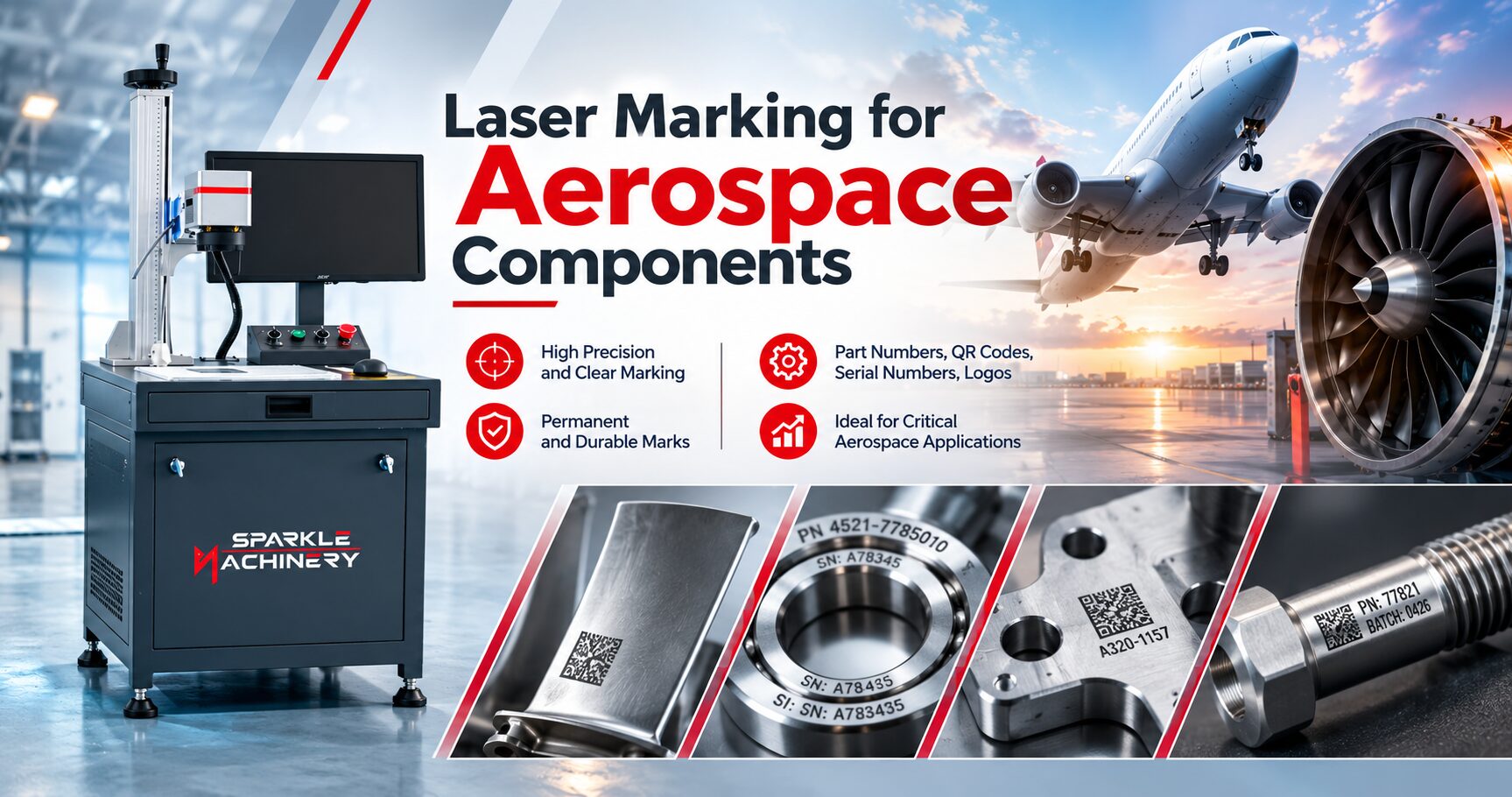
- Aerospace and specialised equipment
A properly selected industrial laser marking system can help these industries maintain product identification, improve traceability and support consistent branding.
Frequently Asked Questions (FAQs)
1. Which laser marking machine is best for stainless steel?
A fibre laser marking machine is a common choice for direct marking of stainless steel. The appropriate model depends on the desired contrast, engraving depth, component dimensions and production speed.
2. Can a laser marking machine create permanent marks on stainless steel?
Yes. Laser marking can produce durable identification marks, but permanence depends on the marking process, material, surface conditions and service environment. Validate the mark against the application’s durability requirements.
3. Can stainless steel be marked with a UV laser marking machine?
Yes, certain UV laser systems can mark stainless steel. However, fibre lasers are commonly used for direct metal marking. Test the actual material and required marking effect before selecting a UV system.
4. Can laser marking machines print QR codes and barcodes on stainless steel?
Yes. Laser marking can create serial numbers, QR codes, Data Matrix codes and barcodes. The finished codes should be tested for readability using the intended scanning equipment.
5. What is the difference between laser marking and laser engraving?
Laser marking changes the surface appearance to create identification, while engraving removes material to produce a recessed pattern. Some applications use both processes, depending on the required result.
6. What is the laser marking machine price in India?
The price depends on laser power, machine configuration, marking area, automation, safety enclosure and service requirements. Request a quotation based on your actual application rather than comparing machines by price alone.
7. Can the same machine mark stainless steel and plastic?
Some systems can process multiple materials, but suitability depends on the laser source, material composition and required marking quality. Fibre lasers are widely used for metals, while UV systems are often selected for specialised plastic marking.
Conclusion
Laser marking on stainless steel is an effective solution for product identification, branding and traceability when the machine and process are correctly selected. The best results come from testing the actual material, optimising laser parameters, preparing the surface and verifying the final mark.
Whether you need a fiber laser marking machine, a compact desktop unit or a customised industrial laser marking system, selecting equipment based on your application can help improve marking consistency and production efficiency.