In today’s competitive manufacturing industry, reducing production waste is essential for improving profitability, maintaining product quality, and increasing operational efficiency. Manufacturers are constantly looking for ways to use raw materials more effectively, reduce rejected components, and minimize unnecessary processing steps.
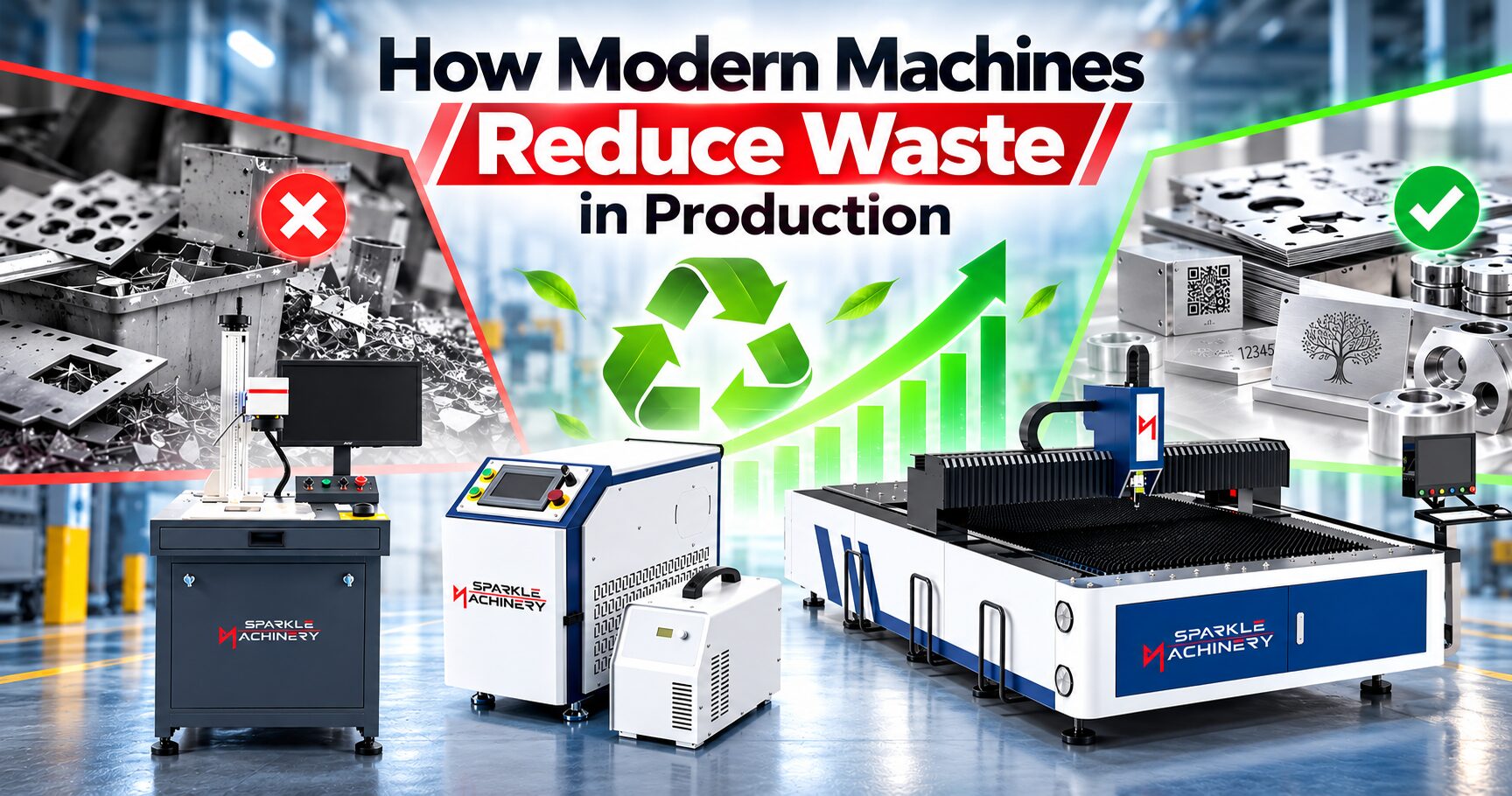
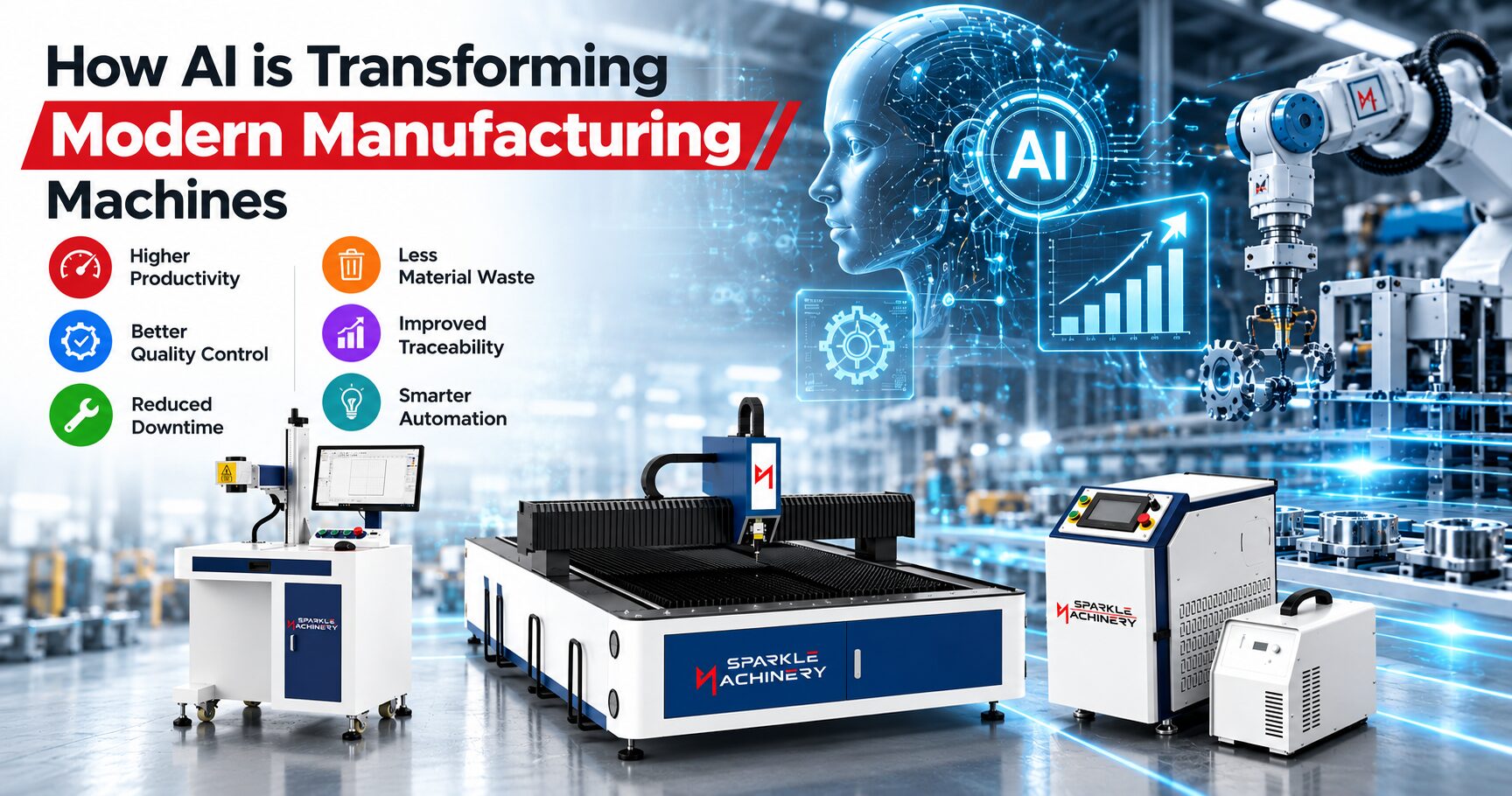
Modern industrial machinery helps businesses achieve these goals through improved precision, consistent processing, automation, and better control over production operations. Technologies such as fiber laser marking machines, laser welding machines, laser cleaning machines, and laser cutting machines can help manufacturers reduce avoidable waste when selected and operated correctly.
At SM Laser Technology, we provide advanced laser marking, welding, cleaning, cutting, and customized automation solutions to support modern manufacturing requirements.
In this blog, we explore how modern machines help reduce production waste and improve manufacturing efficiency.
What Is Production Waste?
Production waste refers to materials, time, energy, and resources lost during manufacturing without adding value to the finished product.
Common examples include:
- Material waste: Unused raw materials, cutting scrap, and damaged components.
- Defective products: Parts that fail to meet quality or dimensional requirements.
- Rework: Additional processing required to correct errors.
- Consumable waste: Excessive use of inks, solvents, abrasives, and other supplies.
- Time waste: Delays caused by manual operations, repeated setups, and machine downtime.
- Energy waste: Unnecessary energy consumption due to inefficient processes and equipment.
Reducing these losses helps manufacturers control operating costs, improve productivity, and make better use of available resources.
1. Precision Machinery Reduces Material Waste
One of the major advantages of modern industrial machinery is improved processing precision. Inaccurate cutting, incorrect positioning, and inconsistent processing can lead to rejected parts and wasted raw materials.
Modern machines use controlled processing parameters and repeatable operating procedures to help manufacturers achieve consistent results.
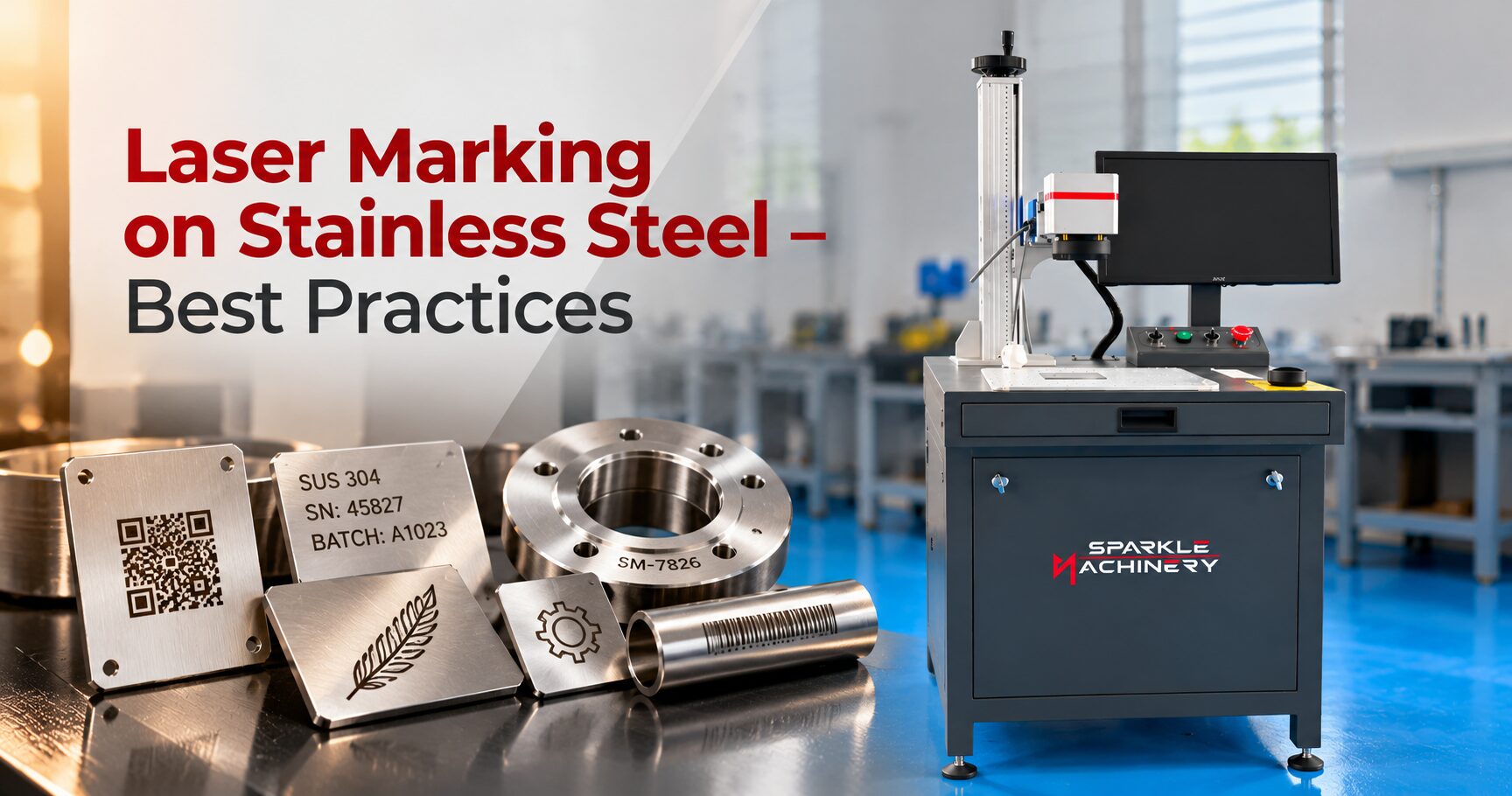
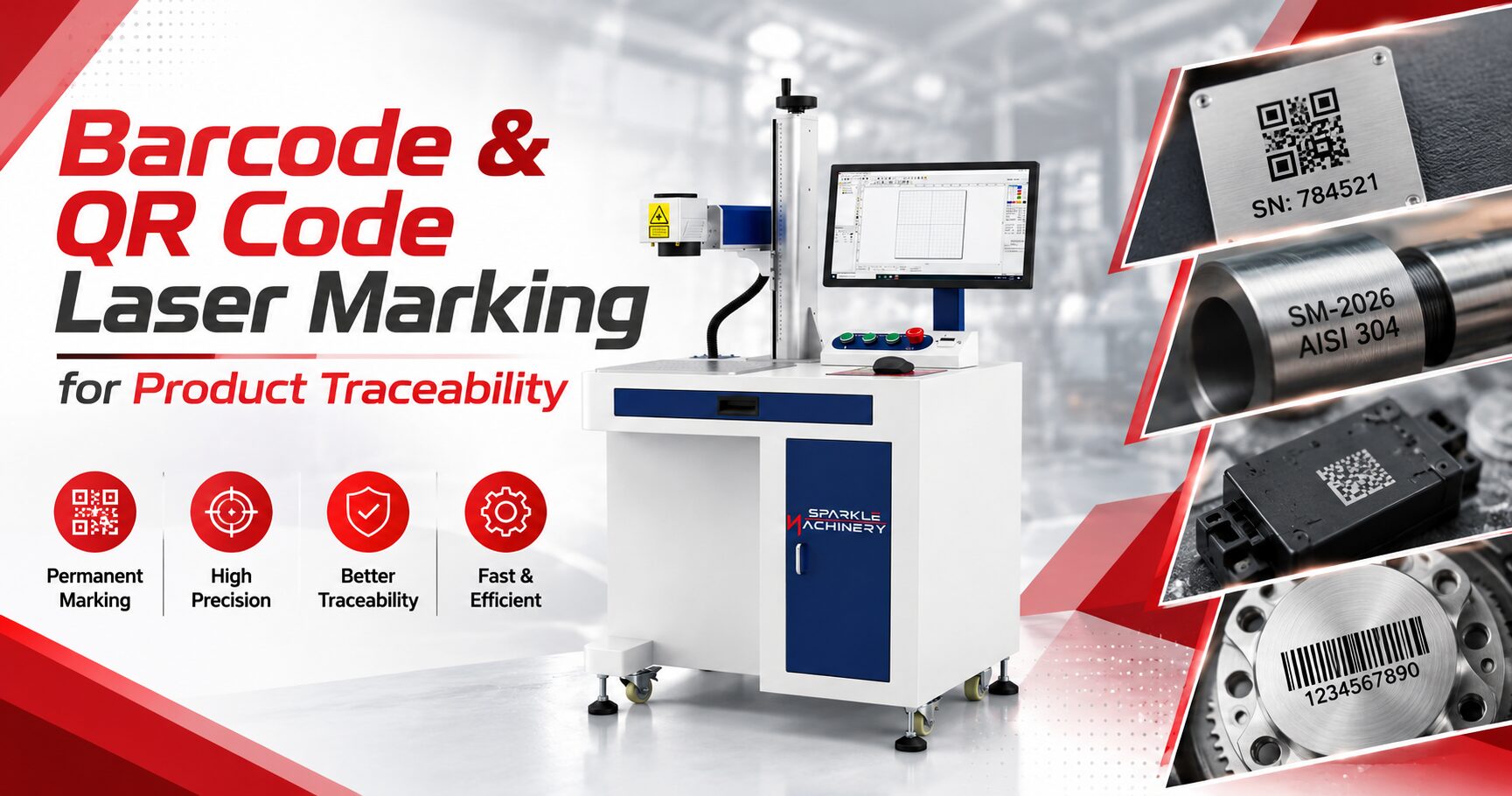
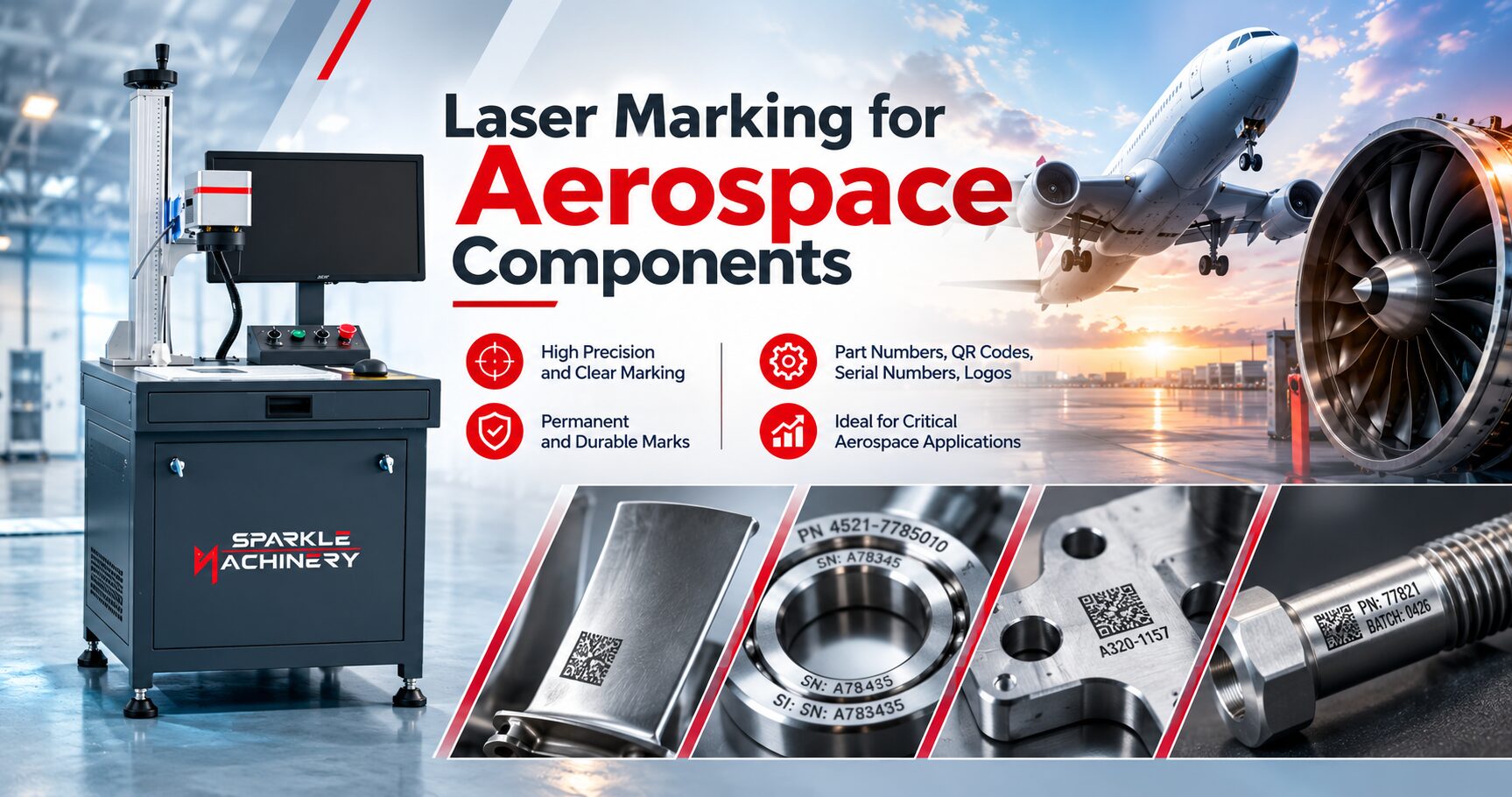
For example, a fiber laser marking machine can create serial numbers, logos, barcodes, QR codes, and data matrix codes on suitable components with accurate, repeatable marking.
Similarly, a properly configured laser cutting machine can follow programmed cutting paths to help reduce errors and improve material utilization.
The actual results depend on material type, machine configuration, process parameters, and operator practices.
2. Laser Cutting Helps Improve Material Utilization
In sheet metal fabrication and other cutting applications, raw material is often one of the largest production expenses.
Poor cutting layouts, incorrect dimensions, and unsuitable cutting parameters can increase scrap and reduce the number of usable components produced from each sheet.
Modern laser cutting systems can help address these challenges through:
- Accurate, programmed cutting paths.
- Optimized part layouts and nesting software, where available.
- Consistent cutting quality.
- Reduced errors caused by manual marking and cutting.
- Better repeatability across production batches.
For example, nesting software can arrange multiple component designs on a sheet to make better use of the available material while maintaining the spacing required for the cutting process.
Businesses evaluating a fiber laser cutting machine should consider not only cutting speed but also material utilization, edge quality, operating costs, and production requirements.
Explore our laser machine solutions to learn more about industrial laser technology.
3. Laser Marking Reduces Consumable Waste
Traditional product marking methods may require consumables such as ink, ribbons, labels, or solvents, depending on the technology used.
Laser marking offers an alternative for suitable applications by creating marks directly on the material surface without requiring marking ink or ribbons during normal laser marking operations.
A fiber laser marking machine can be used for applications such as:
- Product serial numbers and identification codes.
- QR codes and barcodes for traceability.
- Company logos and product branding.
- Batch numbers and manufacturing information.
- Permanent identification of metal components.
UV laser marking machines and CO2 laser marking machines can also support specific material and application requirements.
By reducing dependence on certain consumables and helping produce consistent markings, laser marking can contribute to a cleaner and more efficient production workflow.
The suitable machine depends on the substrate, marking requirements, required contrast, and production speed.
4. Laser Welding Helps Reduce Rework
Welding defects can result in rejected components, additional grinding, repeated welding, and unnecessary material consumption.
A suitable laser welding machine can help manufacturers achieve controlled, precise welds for compatible materials and applications.
Potential benefits include:
- Accurate heat application.
- Consistent weld quality with appropriate process settings.
- Reduced distortion in suitable applications.
- Less post-processing for certain components.
- Improved productivity in suitable welding operations.
A handheld laser welding machine may be appropriate for particular fabrication and repair applications, while automated laser welding solutions can support repeatable production workflows.
However, results depend on joint design, material thickness, surface preparation, machine settings, operator skill, and welding procedure validation. Sample testing is recommended before introducing a new welding process into production.
5. Laser Cleaning Reduces the Need for Certain Consumables
Surface preparation is an important step in many manufacturing processes. Removing rust, oxides, coatings, and other contaminants may be necessary before welding, maintenance, or further processing.
Conventional cleaning methods can involve abrasives, chemicals, solvents, or other consumables, depending on the application.
A laser cleaning machine uses laser energy to remove targeted surface contaminants under suitable process conditions. It can help reduce reliance on some conventional cleaning consumables and minimize secondary waste in appropriate applications.
Common applications may include:
- Rust removal from suitable metal surfaces.
- Removal of certain coatings.
- Surface preparation before welding.
- Cleaning of selected industrial components.
- Maintenance of compatible metal parts.
Laser cleaning is not suitable for every material or contaminant. The cleaning process should be validated to ensure that the substrate is not damaged and that appropriate extraction and safety measures are in place.
6. Automation Reduces Human Errors and Repeated Processing
Manual production processes can introduce variations due to inconsistent positioning, repetitive handling, measurement errors, and differences between operators.
Modern automation solutions can improve repeatability by standardizing how components are positioned, processed, inspected, and transferred between operations.
For example, customized laser automation can support:
- Repeatable component positioning.
- Conveyor-based marking for suitable production lines.
- Automated part handling.
- Consistent marking sequences.
- Integration with production and traceability workflows.
When designed around the actual application, automation can reduce avoidable errors, repeated work, and unnecessary material handling.
At SM Laser Technology, customized laser solutions can be explored for businesses looking to improve their existing manufacturing processes.
7. Better Process Control Helps Reduce Defects
Even advanced machinery can produce waste when the wrong parameters are used or equipment is poorly maintained.
Production teams should establish suitable process settings for each material and application. Initial components should be inspected before full-scale production begins.
Important practices include:
- Testing the process on actual production materials.
- Verifying dimensions, surface finish, and marking quality.
- Using approved machine settings for repeat jobs.
- Inspecting components at appropriate production stages.
- Maintaining lenses, nozzles, fixtures, and other relevant machine parts.
- Training operators in correct machine operation and safety.
Preventive maintenance and process monitoring can help identify problems early, before they lead to a large batch of defective products.
8. How to Measure the Impact of Waste Reduction
Manufacturers should measure waste reduction rather than relying only on machine specifications or estimated benefits.
The following indicators can help evaluate performance before and after introducing new machinery.
| Performance indicator | What to measure |
| Material utilization | Percentage of raw material converted into usable products |
| Rejection rate | Percentage of components rejected during inspection |
| Rework rate | Percentage of components requiring additional processing |
| Consumable usage | Quantity and cost of supplies used per production batch |
| Cycle time | Time required to complete one component or batch |
| Machine downtime | Time lost due to breakdowns, maintenance, or setup |
| Cost per part | Total relevant production cost divided by usable output |
For example, if a manufacturer reduces the rejection rate from 5% to 2%, fewer components need to be discarded or reprocessed. The actual financial benefit will depend on production volume, component value, and the cost of rework.
Tracking these indicators helps businesses identify where improvements are occurring and whether the investment is delivering measurable results.
9. Choosing the Right Machine for Your Production Requirements
Not every manufacturing process requires the same technology. Choosing machinery based only on price or maximum speed may lead to disappointing results.
Before investing in a new machine, manufacturers should evaluate:
- The material and component types being processed.
- Production volume and required cycle time.
- Quality and accuracy requirements.
- Existing process limitations and waste sources.
- Integration with current production equipment.
- Operator training and maintenance requirements.
- Total cost of ownership and expected return on investment.
Testing actual components is particularly useful when evaluating laser marking, welding, cleaning, and cutting applications. It helps confirm process suitability before committing to full-scale production.
SM Laser Technology offers laser solutions for a range of industrial applications, helping manufacturers identify equipment suited to their specific requirements.
Visit SM Laser Technology to explore available solutions or contact our team to discuss your application.
Conclusion
Modern machinery can help manufacturers reduce production waste by improving precision, optimizing material usage, minimizing certain consumables, reducing rework, and improving process consistency.
Laser marking, laser welding, laser cleaning, laser cutting, and customized automation each offer potential benefits for different manufacturing applications. However, the best results come from selecting the right technology, validating the process, training operators, and measuring actual production performance.