Introduction
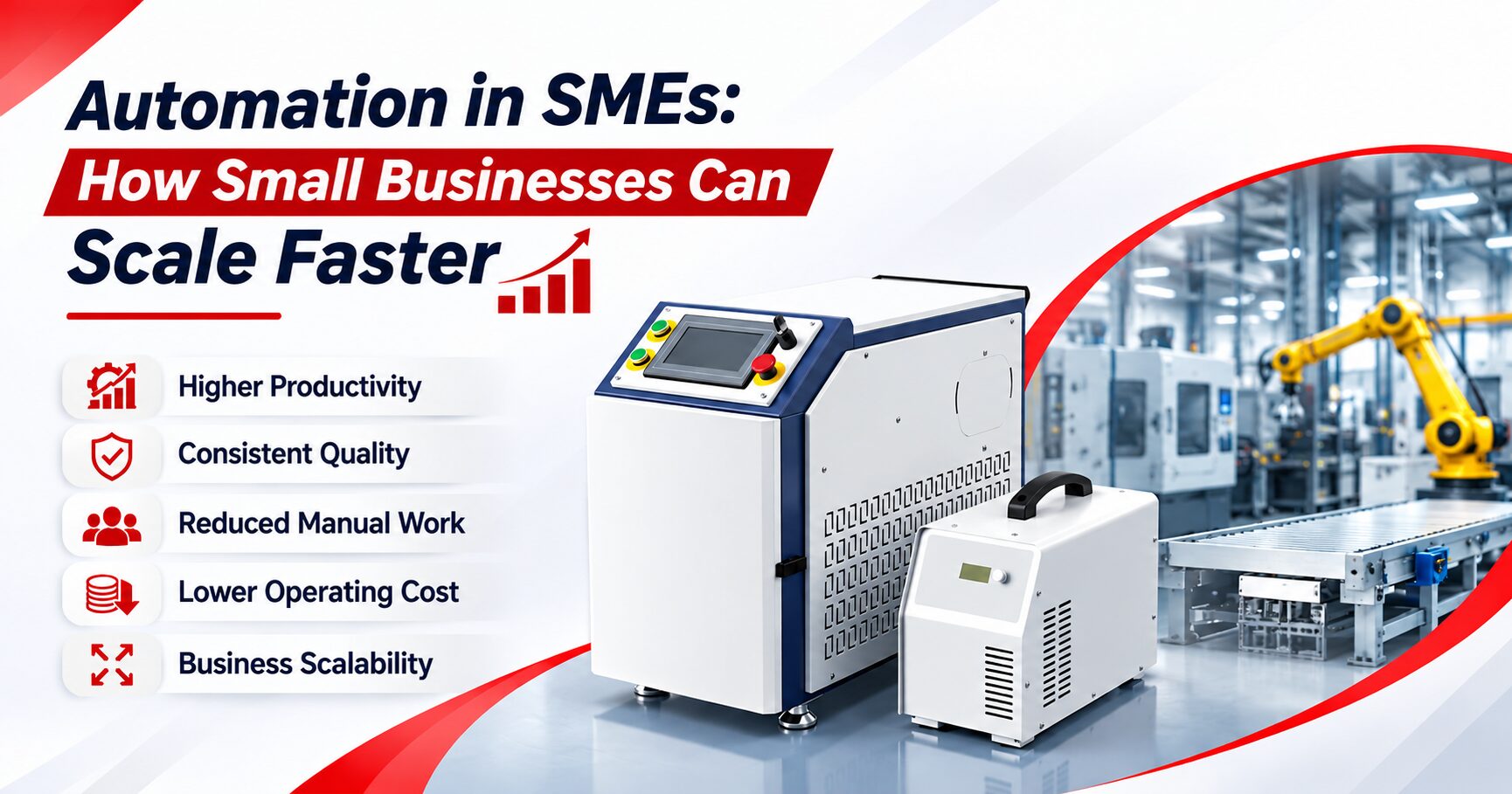
Small and medium-sized enterprises (SMEs) play an important role in India’s manufacturing industry. From automotive components and engineering products to electrical equipment, electronics and metal fabrication, SMEs contribute significantly to industrial growth.
However, as businesses grow, they often face challenges such as increasing production demands, rising labour costs, inconsistent product quality, longer production cycles and difficulty managing repetitive operations.
This is where industrial automation for SMEs becomes important.
Automation allows businesses to improve production processes, reduce manual intervention and maintain consistent quality. With modern technologies such as laser marking machines, laser welding machines, laser cleaning machines and laser cutting machines, even small manufacturing businesses can improve operational efficiency and become more competitive.
In this blog, we will explore how automation helps SMEs scale faster and how businesses can adopt the right technologies for long-term growth.
1. What Is Industrial Automation?
Industrial automation refers to the use of machines, control systems, software and technology to perform manufacturing operations with reduced manual intervention.
Instead of depending entirely on manual processes, businesses can use automated equipment to improve speed, accuracy, consistency and production efficiency.
Common examples of industrial automation include:
- Automated laser marking systems.
- Laser welding automation.
- CNC laser cutting machines.
- Conveyor-based production systems.
- Robotic material handling.
- Automated inspection and quality control.
- Programmable machine control systems.
For SMEs, automation does not always mean investing in a fully automated factory. Businesses can begin with individual machines or specific processes that require improvement.
2. Why Do SMEs Need Automation?
Many small manufacturing businesses initially depend on manual operations. Although manual processes may work at lower production volumes, they can become difficult to manage as customer demand increases.
Here are some important reasons why SMEs should consider automation.
Higher Production Efficiency
Automated machines can perform repetitive tasks with consistent operating parameters, helping businesses improve production output.
Reduced Manual Errors
Automation helps reduce variations caused by repetitive manual operations and improves process consistency.
Better Product Quality
Modern industrial machines provide controlled processing conditions, supporting repeatable results across production batches.
Improved Production Planning
Automated processes can make production workflows more predictable and easier to manage.
Business Scalability
Businesses can increase production capacity by introducing suitable automation solutions instead of depending only on additional manpower.
3. Laser Marking Machines for Faster Product Identification
Product identification and traceability are important requirements in modern manufacturing.
Traditionally, many businesses use labels, stickers, printing or manual engraving for product identification. These methods may involve consumables, additional handling or inconsistent results.
A laser marking machine provides a modern solution for permanent product identification.
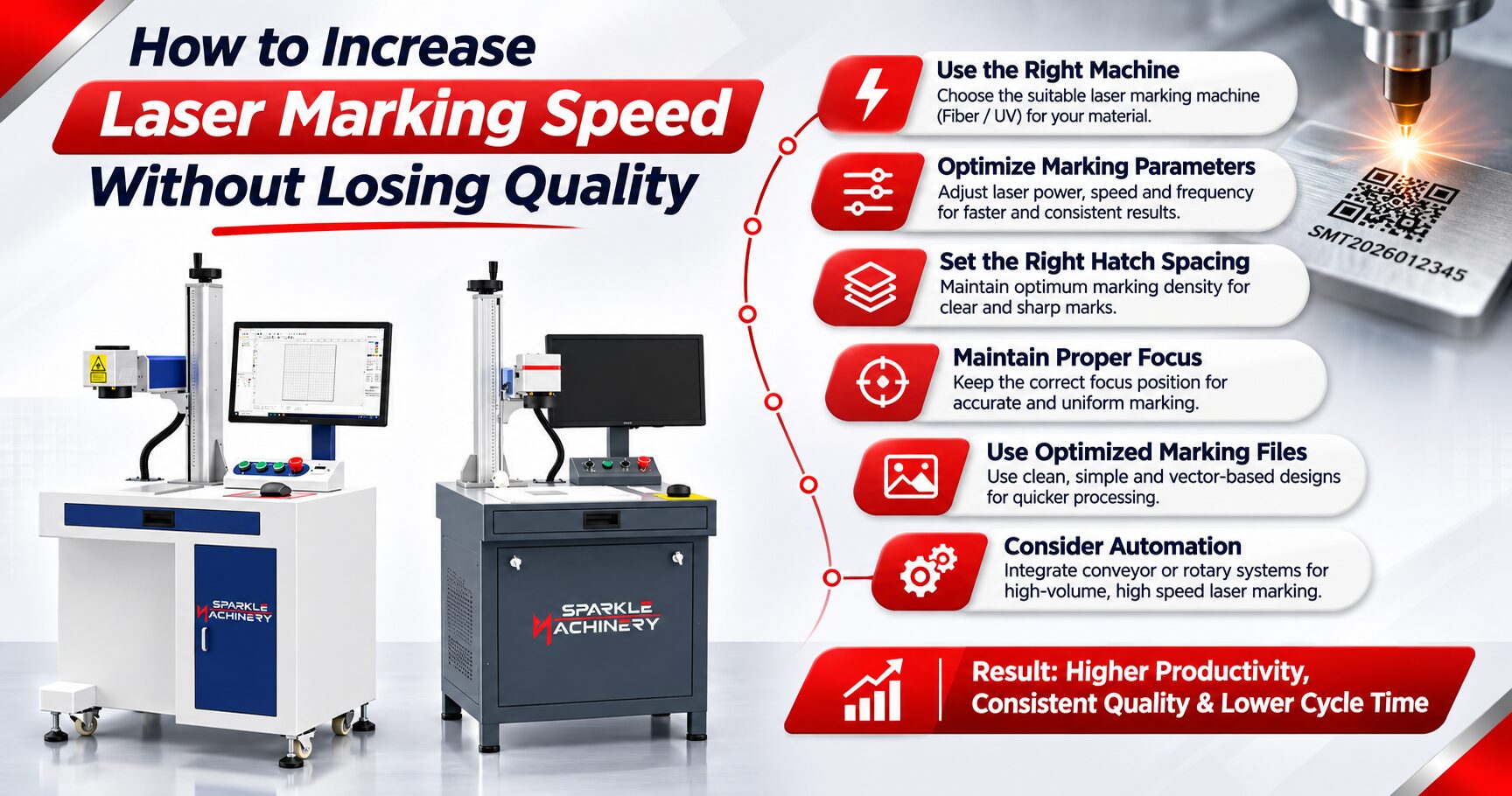
A fiber laser marking machine can mark information such as:
- Serial numbers.
- Company logos.
- QR codes.
- Barcodes.
- Manufacturing dates.
- Product identification numbers.
- Technical specifications.
Laser marking automation can also be integrated with conveyors, rotary fixtures and customized production systems.
How SMEs Benefit:
- Faster product identification.
- Consistent marking quality.
- Reduced dependence on consumables.
- Improved product traceability.
- Better production workflow.
For businesses handling metal components, automotive parts, electrical products and engineering components, a fiber laser marking machine can be a valuable automation investment.
4. Laser Welding Machines for Improved Production Efficiency
Welding is an important manufacturing process used in automotive, fabrication, sheet metal and engineering industries.
Traditional welding processes may require significant operator skill and can involve longer processing times depending on the application.
A laser welding machine offers an advanced welding solution using a concentrated laser beam to join compatible materials.
Handheld laser welding machines are particularly useful for applications requiring flexibility and access to different component shapes.
Key advantages include:
- Precise welding.
- High processing speed in suitable applications.
- Reduced heat-affected zones in many applications.
- Clean and consistent weld appearance.
- Reduced post-processing requirements in suitable applications.
For SMEs involved in metal fabrication, stainless steel products, sheet metal manufacturing and industrial equipment production, laser welding technology can help improve manufacturing efficiency.
5. Laser Cleaning Machines for Better Surface Preparation
Surface preparation is an important step in several manufacturing and maintenance operations.
Removing rust, paint, oil, oxide layers and other contaminants manually can require considerable time and effort.
A laser cleaning machine uses controlled laser energy to remove unwanted surface contaminants from suitable materials.
Industrial laser cleaning applications include:
- Rust removal.
- Paint removal.
- Surface oxide cleaning.
- Oil and grease removal.
- Mould cleaning.
- Surface preparation before welding.
Benefits for SMEs:
- Reduced dependence on conventional cleaning consumables.
- Precise cleaning of selected areas.
- Improved surface preparation.
- Reduced manual cleaning effort.
- Potentially faster processing for suitable applications.
Laser cleaning can help businesses improve surface preparation workflows while reducing the need for certain conventional cleaning methods.
6. Laser Cutting Machines for Precision Manufacturing
Cutting accuracy and production speed are important for businesses involved in sheet metal fabrication and component manufacturing.
A laser cutting machine uses a focused laser beam to cut materials according to programmed designs.
Fiber laser cutting machines are widely used for suitable metal cutting applications, while CO2 laser cutting machines are used for various non-metal materials and selected applications.
Common applications include:
- Sheet metal fabrication.
- Automotive components.
- Electrical enclosures.
- Industrial equipment parts.
- Metal panels and brackets.
- Customized engineering components.
Laser cutting automation can help SMEs improve cutting consistency, reduce manual intervention and manage repeat production jobs more efficiently.
7. How to Start Automation Without a Large Investment
One common concern among SMEs is the initial investment required for automation.
However, businesses do not need to automate every operation at once. A phased approach allows manufacturers to introduce technology gradually and evaluate its benefits.
Here is a practical approach:
Step 1: Identify Repetitive Operations
Identify processes that consume significant time or involve repetitive manual work.
Step 2: Understand Production Challenges
Evaluate issues such as slow processing, inconsistent quality, material wastage and production delays.
Step 3: Select the Right Machine
Choose a laser marking, laser welding, laser cleaning or laser cutting machine based on your actual application requirements.
Step 4: Conduct Application Testing
Test the machine using your actual materials and components. Evaluate processing time, output quality and suitability for production.
Step 5: Train Your Operators
Provide proper machine operation and safety training to ensure effective use of the equipment.
Step 6: Measure Performance
Compare production output, processing time, quality and operating costs before and after automation.
Step 7: Expand Gradually
Once the initial automation investment delivers measurable benefits, consider expanding automation into other manufacturing processes.
A phased implementation approach helps SMEs manage investment risks and make better technology decisions.
8. Importance of Customized Automation Solutions
Every manufacturing business has different production requirements.
A standard machine may be suitable for regular marking or processing applications, but certain manufacturing processes require customized solutions.
Customized automation can include:
- Conveyor-based laser marking.
- Rotary laser marking systems.
- Fly marking systems for moving products.
- Enclosure-based laser marking solutions.
- Three-axis laser marking systems.
- Automated loading and unloading.
- Special-purpose machinery (SPM).
- Integrated laser processing systems.
These solutions help manufacturers adapt automation technology to their existing production workflows.
For SMEs with unique component designs or high-volume production requirements, customized laser automation can improve operational flexibility.
9. Common Challenges SMEs Face While Adopting Automation
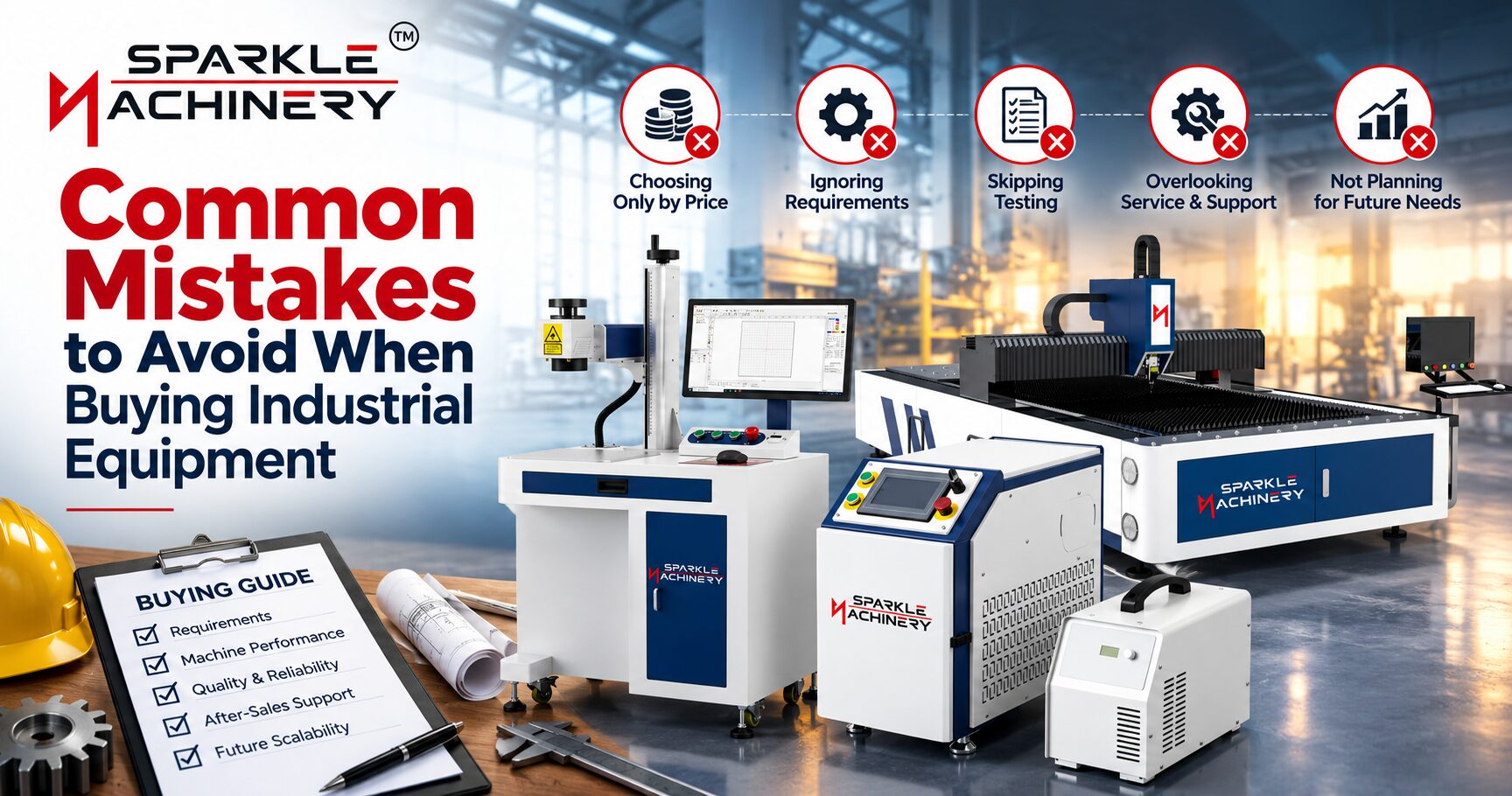
Although automation offers several advantages, businesses should evaluate certain factors before investing.
Initial Investment: Select equipment based on actual production requirements and expected business value.
Operator Training: Ensure employees receive proper machine operation and safety training.
Machine Selection: Choose suitable technology according to material type, application and production volume.
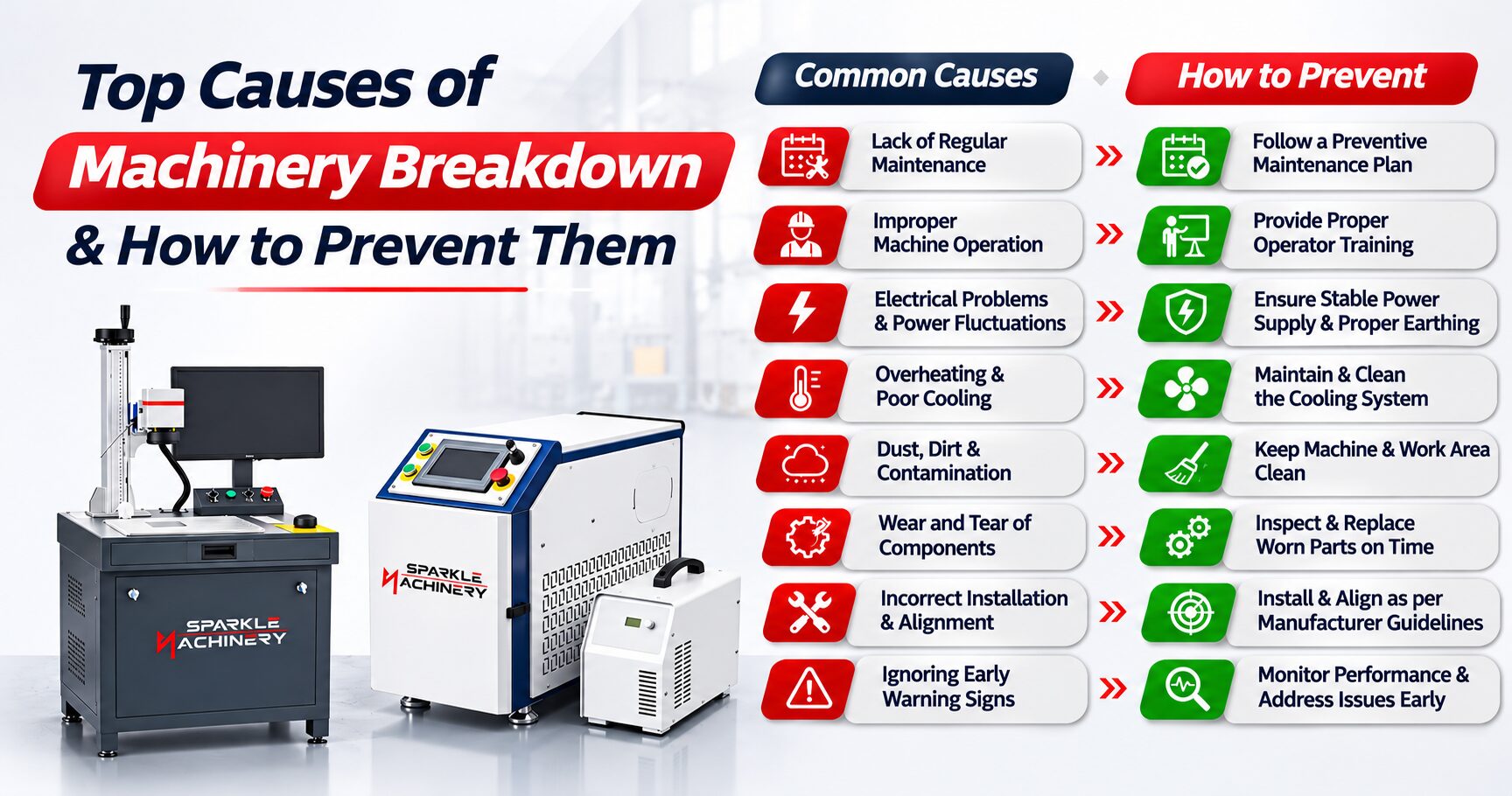
Maintenance Requirements: Understand regular maintenance requirements and availability of technical support.
Integration with Existing Processes: Check whether the machine can work with existing production equipment and workflows.
After-Sales Support: Consider installation, commissioning, training and service support when selecting a machine supplier.
Planning these factors in advance helps businesses adopt automation more effectively.
10. How Automation Helps SMEs Prepare for Industry 4.0
Industry 4.0 focuses on connected manufacturing, digital technologies, data-driven decisions and intelligent production systems.
For SMEs, adopting Industry 4.0 does not require transforming the entire factory immediately.
Businesses can begin by introducing:
- Automated production equipment.
- Digital machine controls.
- Barcode and QR code traceability.
- Machine monitoring systems.
- Automated inspection.
- Production data collection.
- Integrated manufacturing workflows.
For example, a manufacturer can combine an automated laser marking machine with a barcode system to mark unique product identification codes. This can support better product tracking and production records.
Gradually connecting machines and production systems can help SMEs move towards smarter manufacturing.
Benefits of Automation for Small Manufacturing Businesses
| Business Area | Benefits of Automation |
| Production | Improved processing efficiency |
| Quality | More consistent output |
| Labour | Reduced repetitive manual work |
| Traceability | Better product identification |
| Operations | Improved workflow management |
| Scalability | Easier expansion of production capacity |
| Cost Management | Better control over production resources |
Conclusion
Automation is no longer limited to large manufacturing companies. Small and medium-sized businesses can also benefit from modern industrial technologies by selecting solutions that match their production requirements.
From fiber laser marking machines and laser welding machines to laser cleaning and laser cutting systems, advanced laser technology can help SMEs improve productivity, maintain consistent quality and build more efficient manufacturing operations.
The key is to start with the right process, choose suitable equipment, train operators and expand automation gradually.
SM Laser Technology offers advanced industrial laser solutions, including laser marking machines, laser welding machines, laser cleaning machines, laser cutting machines and customized automation solutions to support modern manufacturing requirements.
Whether you are planning to upgrade an existing process or introduce automation into your production line, choosing the right technology can be an important step towards business growth.
Looking to automate your manufacturing process?
Explore industrial laser solutions at www.sparklemachinery.com or connect with SM Laser Technology to discuss your application requirements and book a machine demonstration.
Frequently Asked Questions (FAQs)
1. What is industrial automation for SMEs?
Industrial automation for SMEs involves using machines, software and control systems to improve manufacturing operations, reduce repetitive manual work and maintain consistent production quality.
2. How can small manufacturing businesses benefit from automation?
Automation can help small businesses improve production efficiency, reduce manual errors, maintain consistent quality, improve traceability and manage increasing production demands.
3. Is automation affordable for small businesses?
Yes. SMEs can begin with individual machines or specific automated processes instead of investing in a completely automated factory. The investment should be evaluated according to application requirements and expected benefits.
4. Which laser machines are useful for SMEs?
Fiber laser marking machines, UV laser marking machines, laser welding machines, laser cleaning machines and laser cutting machines are useful for different manufacturing applications.
5. How does a laser marking machine help manufacturing businesses?
A laser marking machine helps create permanent identification such as serial numbers, logos, QR codes and barcodes on compatible materials, supporting product traceability and identification.
6. What is customized laser automation?
Customized laser automation involves designing laser processing systems according to specific production requirements. Examples include conveyor marking, rotary marking, automated handling and special-purpose machinery.
7. What should SMEs consider before buying an industrial laser machine?
Businesses should evaluate material compatibility, processing speed, machine specifications, production volume, safety features, installation, operator training, warranty and after-sales support.
8. How does automation support Industry 4.0?
Automation supports Industry 4.0 by enabling connected equipment, digital production processes, machine monitoring, traceability and data-driven manufacturing operations.