Choosing the right machinery is an important investment for any manufacturing business. Whether you operate in automotive, engineering, electronics, jewellery, medical equipment or general manufacturing, the machinery you select can directly influence productivity, product quality and operational efficiency.
One common question manufacturers face is: Should you invest in new machinery or purchase used machinery?
Both options have advantages and limitations. Used machinery may offer a lower initial purchase cost, while new machinery can provide modern technology, updated features, manufacturer support and better long-term reliability.
In this article, we will compare new vs used machinery and explain which option may be suitable for your industrial requirements, especially when investing in a laser marking machine.
1. Understanding New Machinery
New machinery is equipment purchased directly from a manufacturer or an authorised supplier. It is generally supplied in new condition and may include manufacturer warranty, installation assistance, operator training and technical support, depending on the supplier’s terms.
Benefits of New Machinery
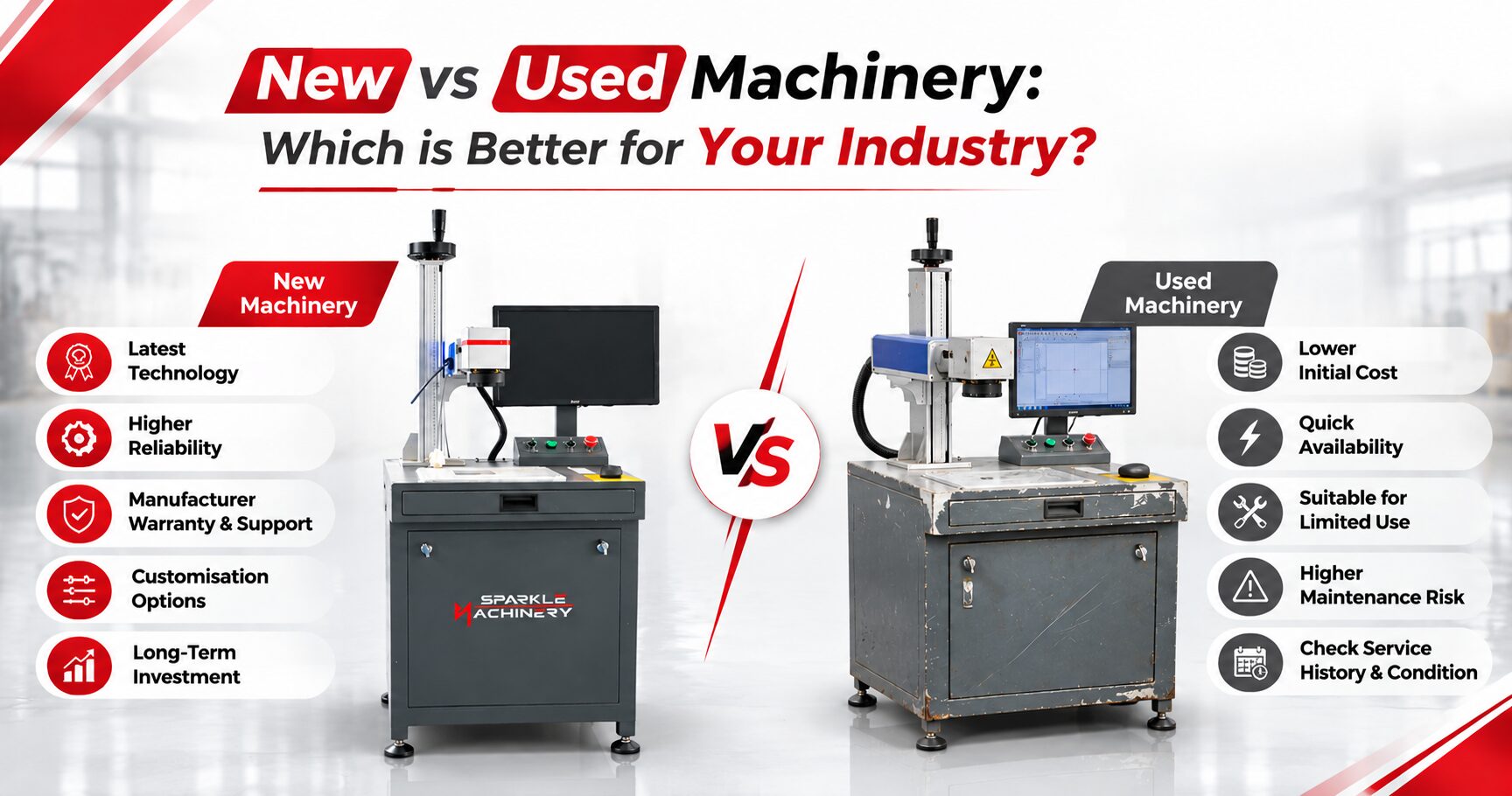
Latest Technology: New industrial machines may include updated components, advanced control systems and improved operating features.
Better Reliability: Since the equipment is new, there is no previous operating history or wear from earlier production use.
Manufacturer Support: Buyers can discuss machine configuration, installation, training and after-sales service directly with the supplier.
Customisation Options: New machinery may be configured according to specific production requirements, materials and applications.
Long-Term Investment: A suitable new machine can support consistent production requirements over an extended operating period when properly maintained.
2. Understanding Used Machinery
Used machinery refers to equipment that has previously been operated by another business or manufacturing facility. It may be available through machinery dealers, resellers or direct purchases from existing machine owners.
Used machinery can be an option for businesses with limited initial budgets, but its condition and service history should be carefully evaluated.
Benefits of Used Machinery
Lower Initial Cost: Used equipment may have a lower purchase price than comparable new machinery.
Availability: Some machines are available for immediate purchase without waiting for manufacturing or delivery.
Suitable for Certain Requirements: Businesses with limited production volumes or occasional machine usage may consider used equipment.
Potential Budget Savings: A properly inspected and maintained used machine may offer value when its condition, performance and support arrangements are satisfactory.
However, buyers should consider possible repair expenses, outdated components, limited spare-part availability and uncertain service history.
3. New vs Used Machinery: Key Differences
The following comparison highlights important factors to evaluate before purchasing industrial machinery.
| Comparison Factor | New Machinery | Used Machinery |
| Initial Investment | Generally higher | Generally lower |
| Machine Condition | New equipment | Depends on previous usage |
| Technology | May include updated technology | May have older technology |
| Warranty | Manufacturer warranty may be available | Depends on seller |
| Maintenance | No previous wear history | May require additional maintenance |
| Customisation | More configuration options | Limited by existing configuration |
| Technical Support | Manufacturer support may be available | Depends on seller and machine model |
| Spare Parts | Check manufacturer availability | Availability may vary |
| Long-Term Reliability | Depends on quality and maintenance | Depends on condition and maintenance history |
Important: Actual costs, warranty coverage and machine performance depend on the manufacturer, model, supplier and operating conditions.
4. New vs Used Laser Marking Machines
For businesses looking to improve product identification, branding and traceability, choosing the right laser marking machine is particularly important.
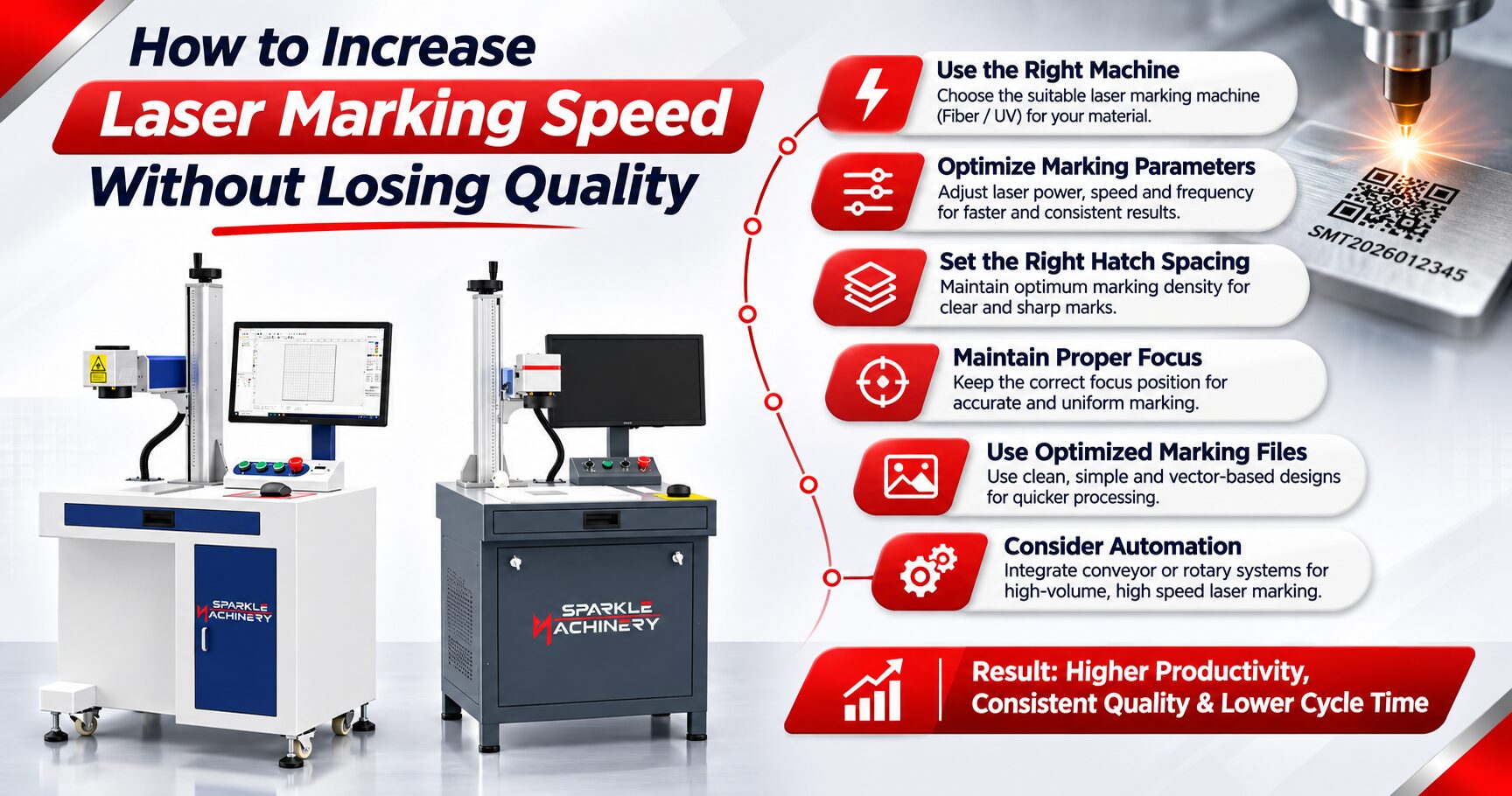
A fiber laser marking machine is commonly used for marking serial numbers, QR codes, barcodes, logos, product information and other identification details on suitable materials.
New Laser Marking Machine
A new laser marking machine can be a suitable option for businesses planning regular production, consistent marking quality and long-term operations.
Potential advantages include:
- New machine components and configuration
- Manufacturer installation and training support, where offered
- Technical assistance and maintenance guidance
- Configuration based on application requirements
- Access to available upgrades and accessories
Used Laser Marking Machine
A used laser marking machine may appear cost-effective, but buyers should evaluate its actual operating condition before purchasing.
Important inspection points include:
- Laser source condition and operating hours
- Marking quality and consistency
- Galvo scanner and lens condition
- Controller and software compatibility
- Electrical components and wiring
- Machine maintenance history
- Availability of replacement parts
- Technical support and service availability
A lower purchase price does not always mean a lower total cost of ownership. Repairs, downtime and component replacement can increase the overall investment.
5. Important Factors to Consider Before Buying Machinery
Before making a purchase decision, manufacturers should evaluate the following factors.
A. Production Requirements
Understand your production volume, working hours, material types and marking or processing requirements. Select machinery that can support your actual workload.
B. Total Cost of Ownership
Do not compare machines based only on their purchase price. Consider installation, maintenance, spare parts, consumables, electricity, repairs and downtime.
C. Technology and Performance
Check whether the machine technology is suitable for your application. For laser marking, evaluate marking quality, speed, material compatibility and repeatability.
D. Warranty and After-Sales Support
Confirm the warranty terms, service availability, technical assistance and spare-part support before purchasing.
E. Future Business Requirements
Consider whether your production requirements may increase in the coming years. Selecting suitable machinery can help avoid the need for an early replacement.
6. Which Machinery Is Better for Your Industry?
The right choice depends on your production needs, investment capacity and expected machine usage.
Choose New Machinery If:
- You require regular and continuous production.
- Consistent performance is important.
- You need manufacturer support and training.
- You want updated technology and configuration options.
- You are planning a long-term manufacturing investment.
Consider Used Machinery If:
- Your initial investment budget is limited.
- Your production requirements are relatively low.
- The machine has a verified service history.
- You can arrange a proper technical inspection.
- Spare parts and service support are available.
For businesses planning long-term production, a new machine from a reliable manufacturer can be a worthwhile investment. However, every purchase should be evaluated according to its actual application and operating requirements.
7. Why Choose SM Laser Technology?
SM Laser Technology provides industrial laser machine solutions for manufacturers looking to improve production processes and product identification.
Our product range includes:
- Fiber Laser Marking Machines
- UV Laser Marking Machines
- Laser Welding Machines
- Laser Cleaning Machines
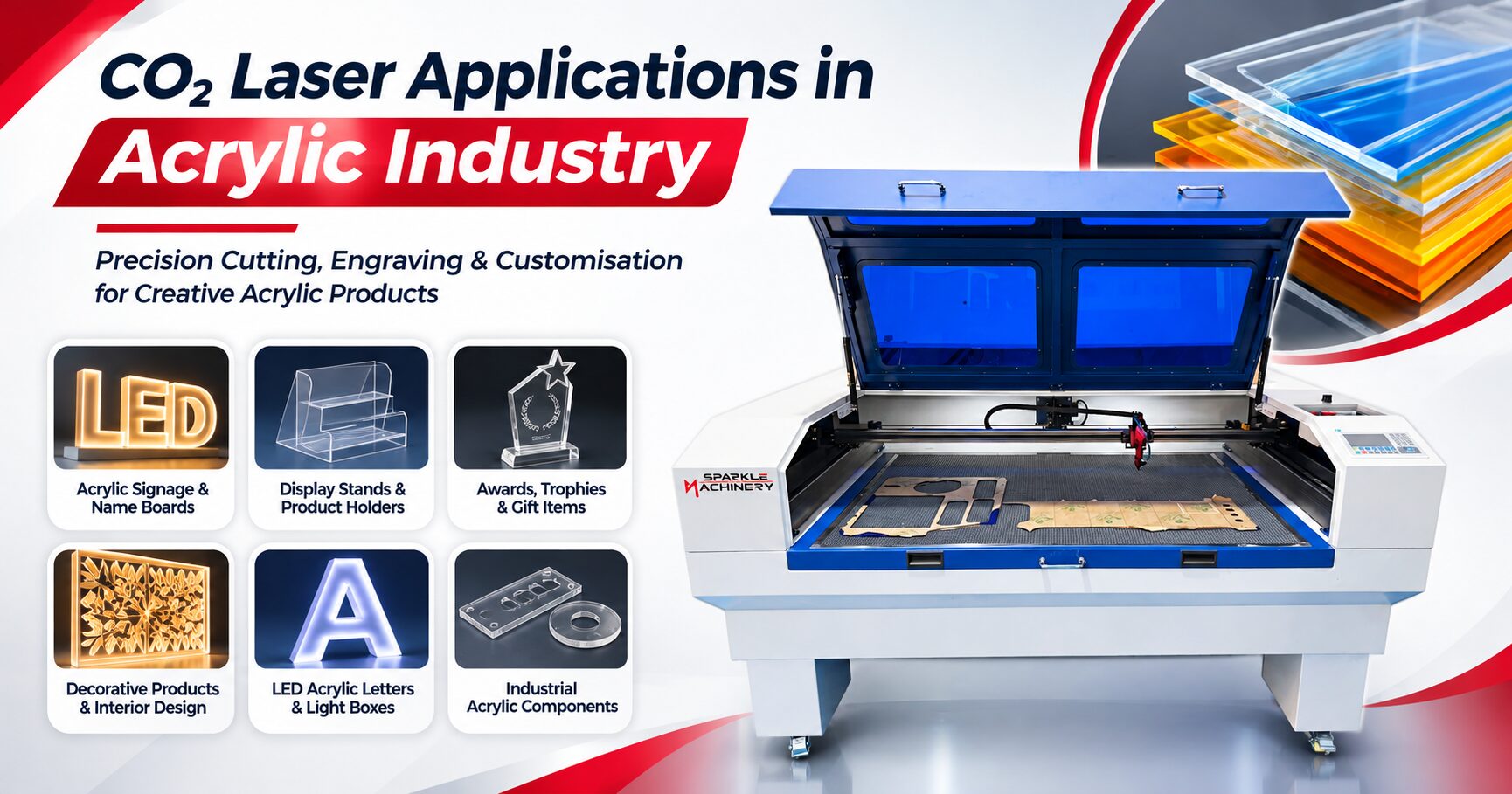
- CO2 Laser Cutting and Engraving Machines
- Fiber Laser Cutting Machines
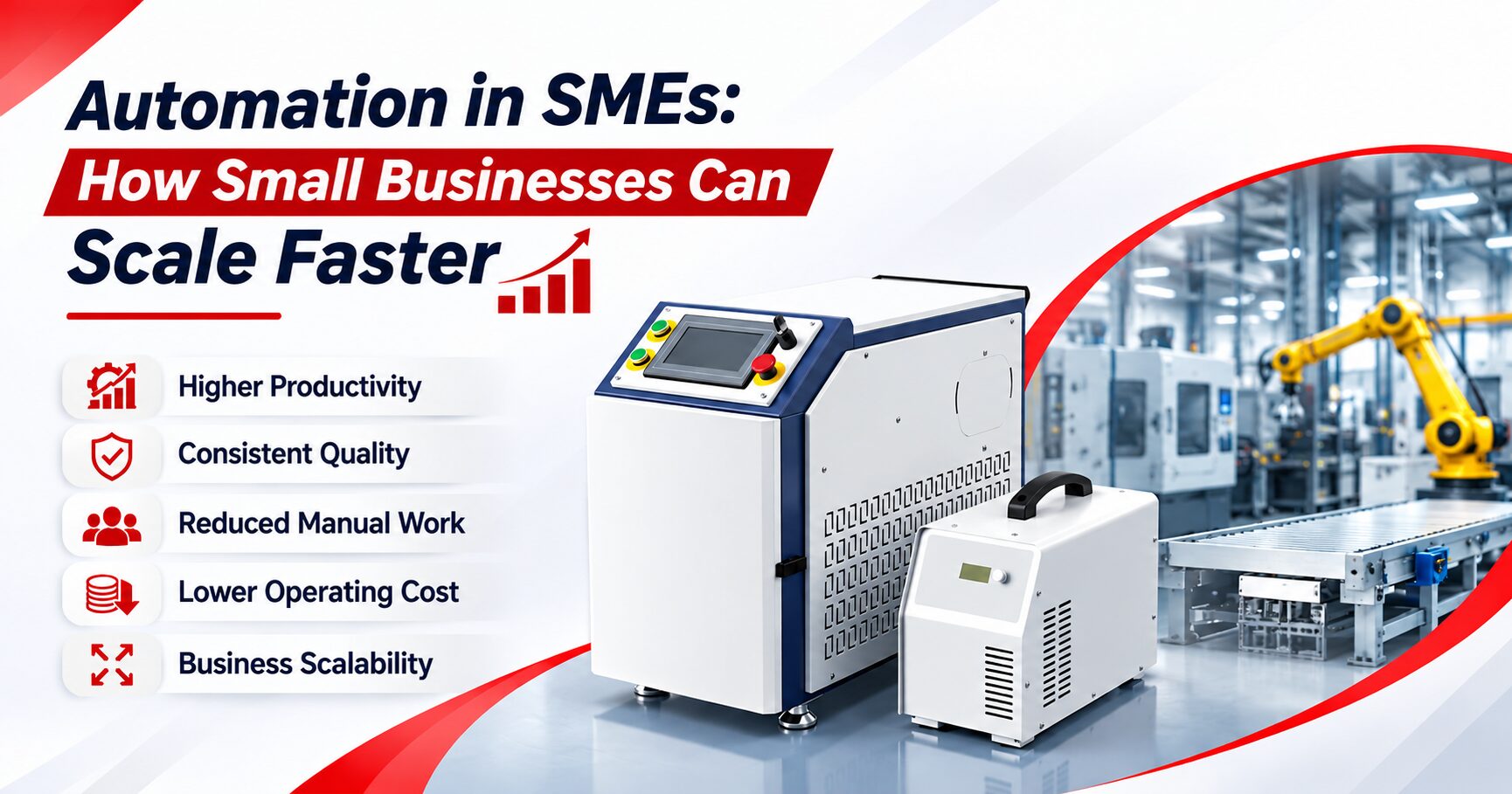
- Industrial Laser Automation Solutions
We focus on helping businesses identify suitable laser machine solutions according to their application, material and production requirements.
Whether you are planning to upgrade existing equipment or invest in a new laser marking machine, our team can help you understand the available options.
Conclusion:
The decision between new vs used machinery should not depend only on the initial purchase price. Machine condition, technology, maintenance, warranty, technical support and long-term production requirements are equally important.
Used machinery may be suitable for certain budget-conscious applications, while new machinery can offer advantages in technology, configuration and manufacturer support.
Before making your decision, evaluate your production requirements and compare the total cost of ownership.