For modern manufacturers, controlling production costs is just as important as maintaining product quality. Rising energy costs, increasing competition, and the need for faster production are encouraging companies to look for smarter ways to improve manufacturing efficiency.
One effective approach is investing in energy-efficient machinery and optimizing the way manufacturing processes are operated.
Energy efficiency in manufacturing is not simply about buying a machine with lower power consumption. It is about achieving more production output with better use of energy, materials, time, and manpower.
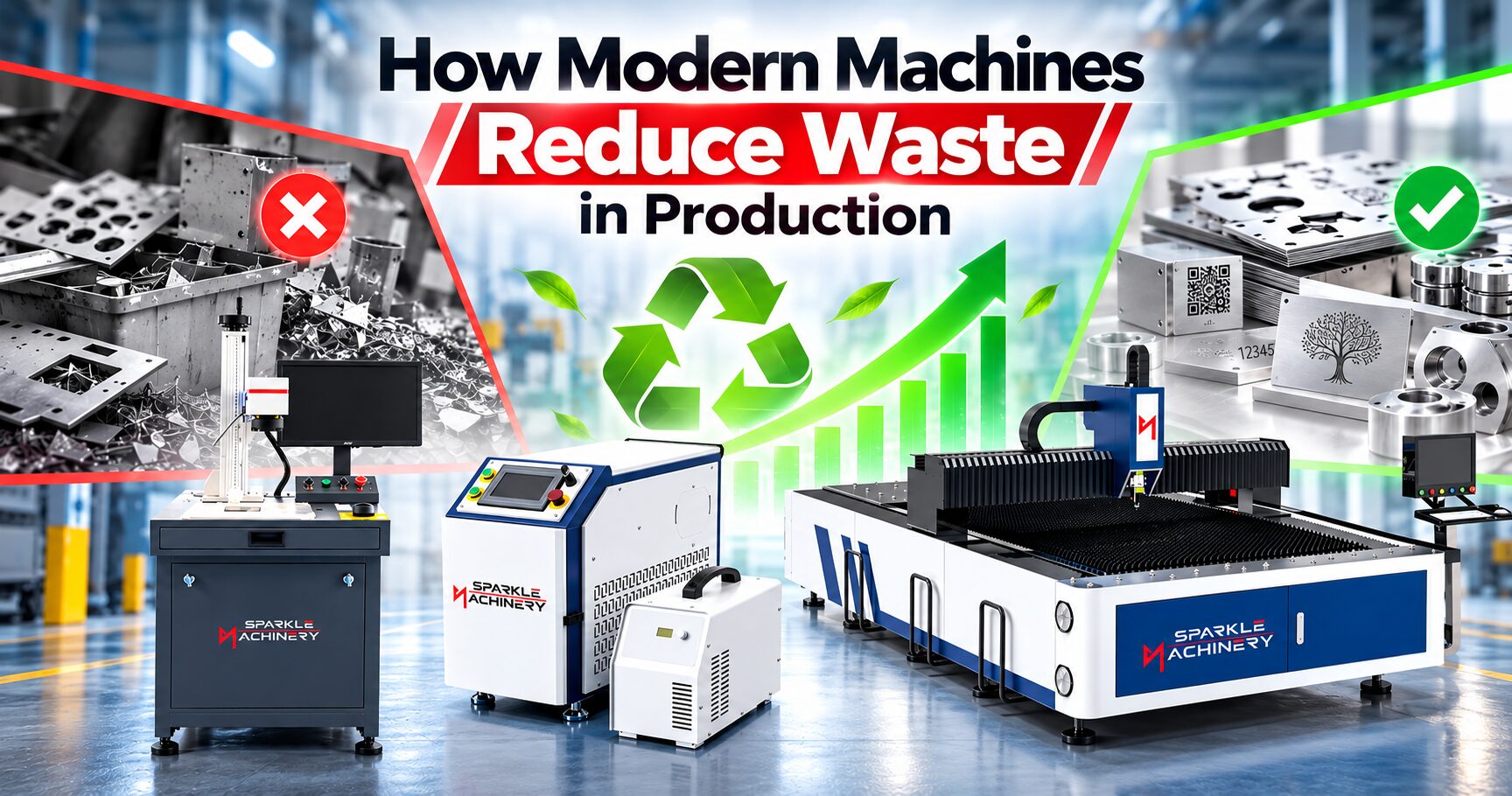
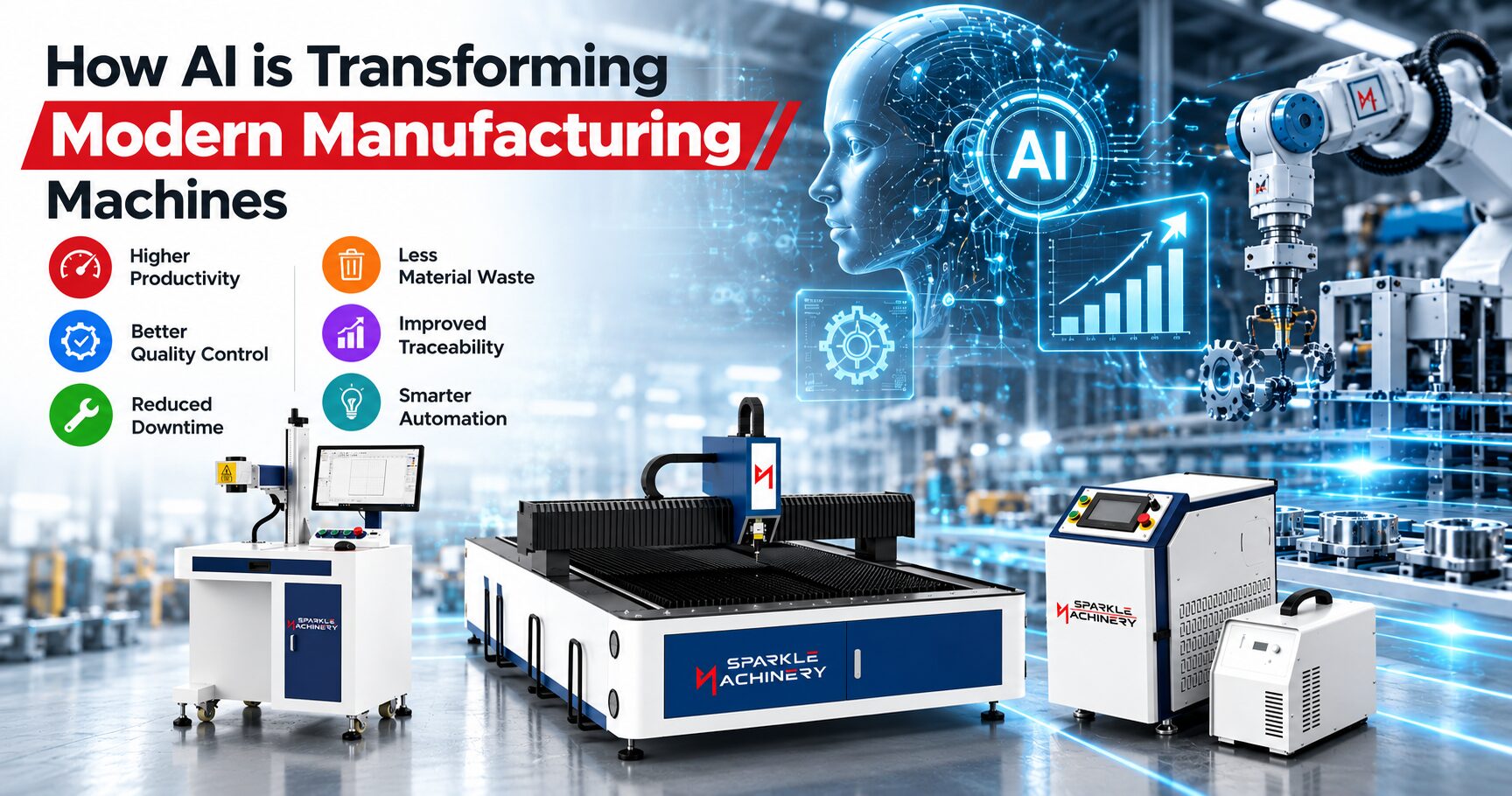
Advanced technologies such as laser marking, laser welding, laser cleaning, laser cutting, and laser automation can help manufacturers improve process efficiency while maintaining consistent quality.
What Is Energy-Efficient Machinery?
Energy-efficient machinery is equipment designed or operated to deliver the required production output while using energy effectively.
In manufacturing, energy efficiency can be influenced by several factors:
- Machine power consumption
- Processing speed
- Production cycle time
- Material utilization
- Machine idle time
- Process parameters
- Cooling and auxiliary systems
- Automation and production planning
- Maintenance condition
Therefore, simply comparing the electrical power rating of two machines does not always provide a complete picture of their efficiency.
A machine that consumes slightly more power but completes a process significantly faster and with less material waste may deliver a lower energy cost per component.
Research on laser welding has similarly shown that process productivity and specific energy consumption are closely related, and that selecting appropriate process parameters can substantially reduce energy consumption without compromising the required result.
Why Energy Efficiency Matters in Manufacturing
Energy is an important operating cost for many manufacturing facilities. Machines, compressors, cooling systems, extraction systems, conveyors, and other supporting equipment can all contribute to a plant’s overall energy consumption.
Improving energy efficiency can therefore help manufacturers work toward:
1. Lower Operating Costs
Reducing unnecessary energy consumption can lower the operating cost associated with production.
When a process becomes faster and more efficient, manufacturers may also reduce the energy required per component.
2. Higher Productivity
Faster processing can increase production output without necessarily requiring additional production lines.
For example, a high-speed laser marking machine can process identification and traceability requirements quickly, making it suitable for repetitive industrial production.
3. Reduced Material Waste
Energy efficiency and resource efficiency often go together.
Accurate cutting, controlled welding, and precise marking can help reduce rework and material losses.
4. Consistent Production
Modern industrial machinery can provide better control over process parameters and repeatability.
This is particularly important when manufacturers need consistent results across thousands of components.
5. Better Manufacturing Sustainability
Efficient use of electricity and materials can contribute to more sustainable manufacturing practices.
However, sustainability should be evaluated across the complete manufacturing process rather than based on a single machine specification.
How Laser Technology Can Improve Manufacturing Efficiency
Laser technology is increasingly used across industrial manufacturing because it offers precise, contactless processing and can be integrated with automated production systems.
Depending on the application, industrial laser machines can support marking, welding, cleaning, cutting, and customized automation.
1. Laser Marking Machines
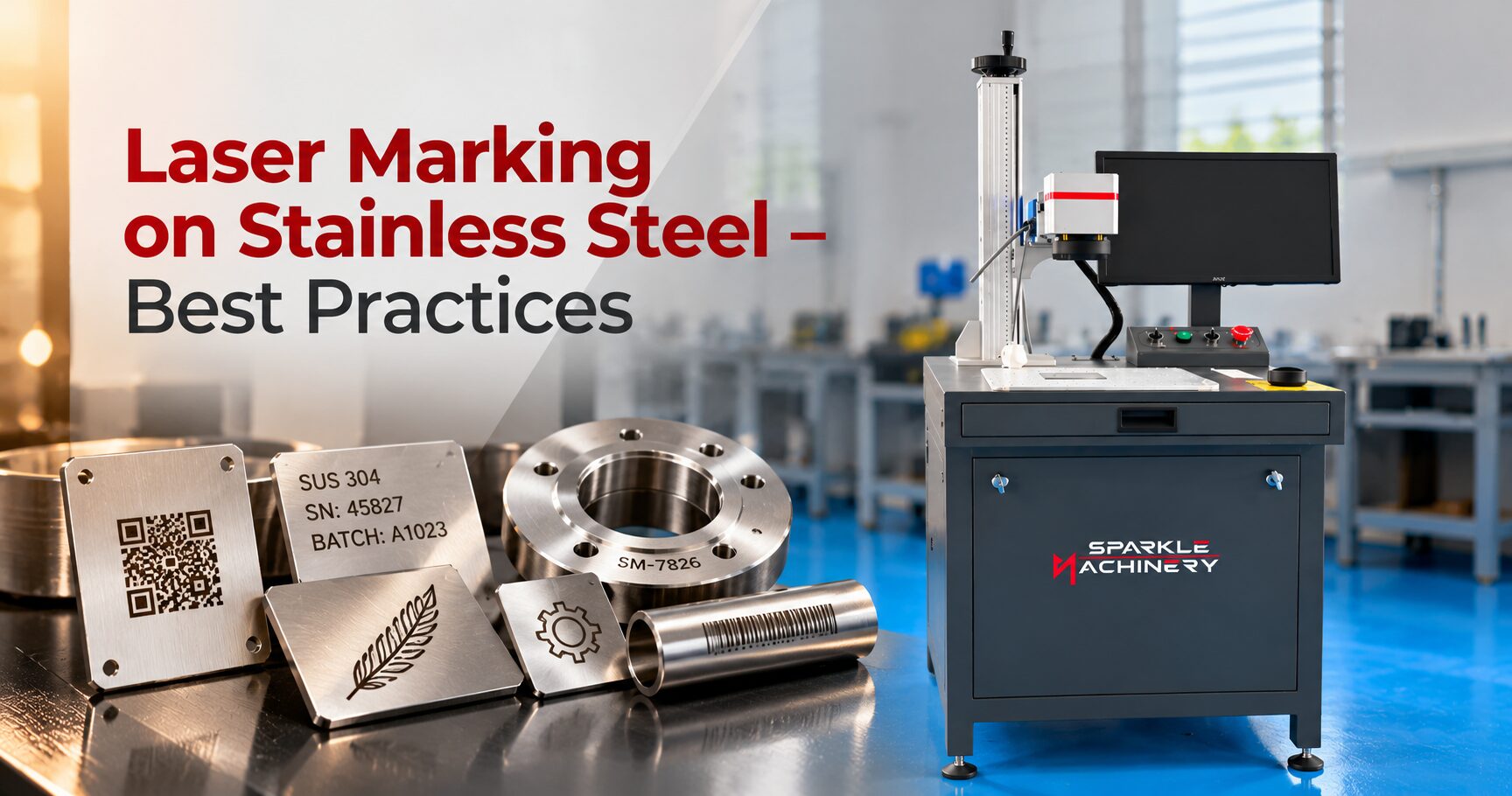
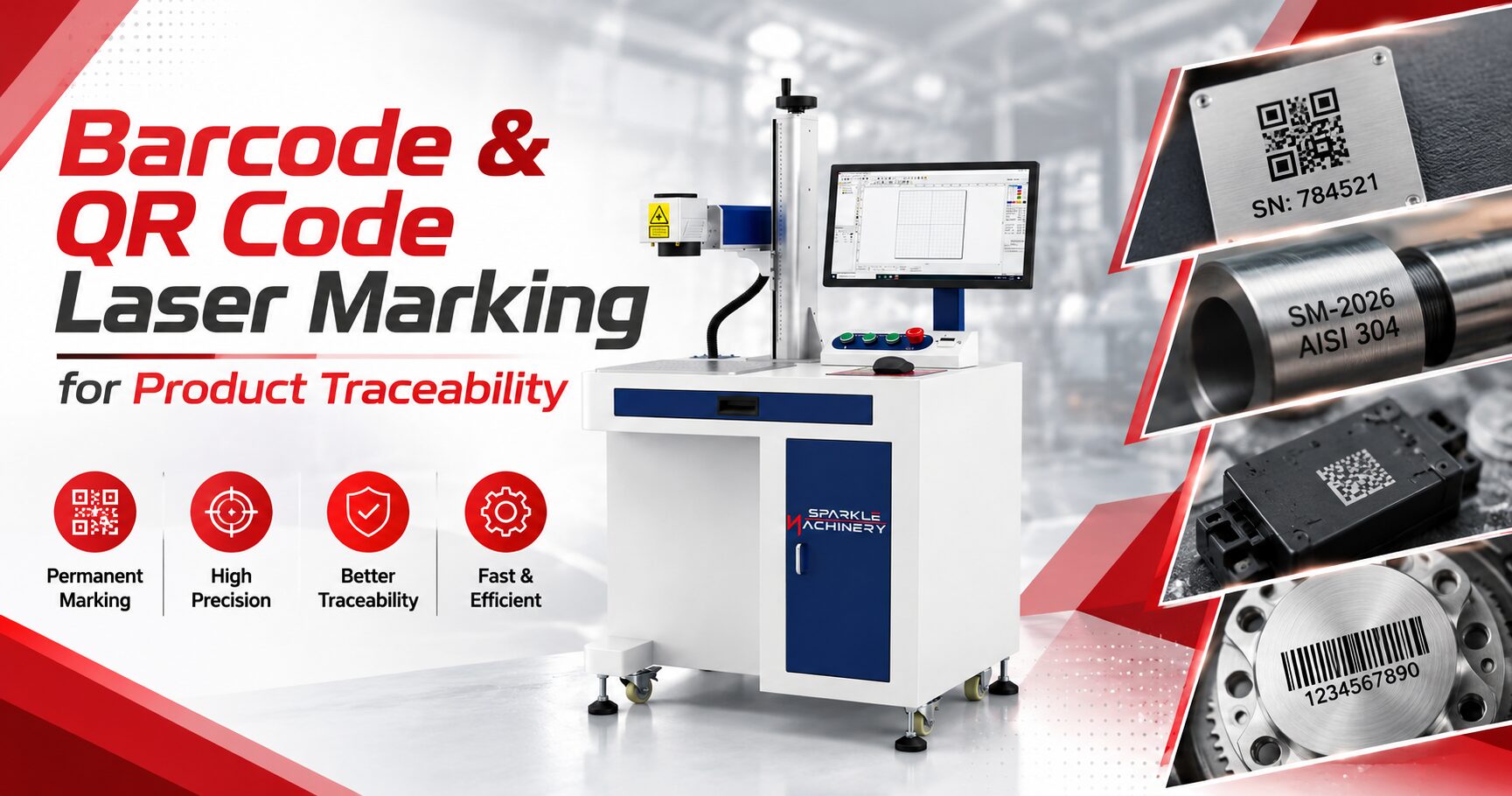
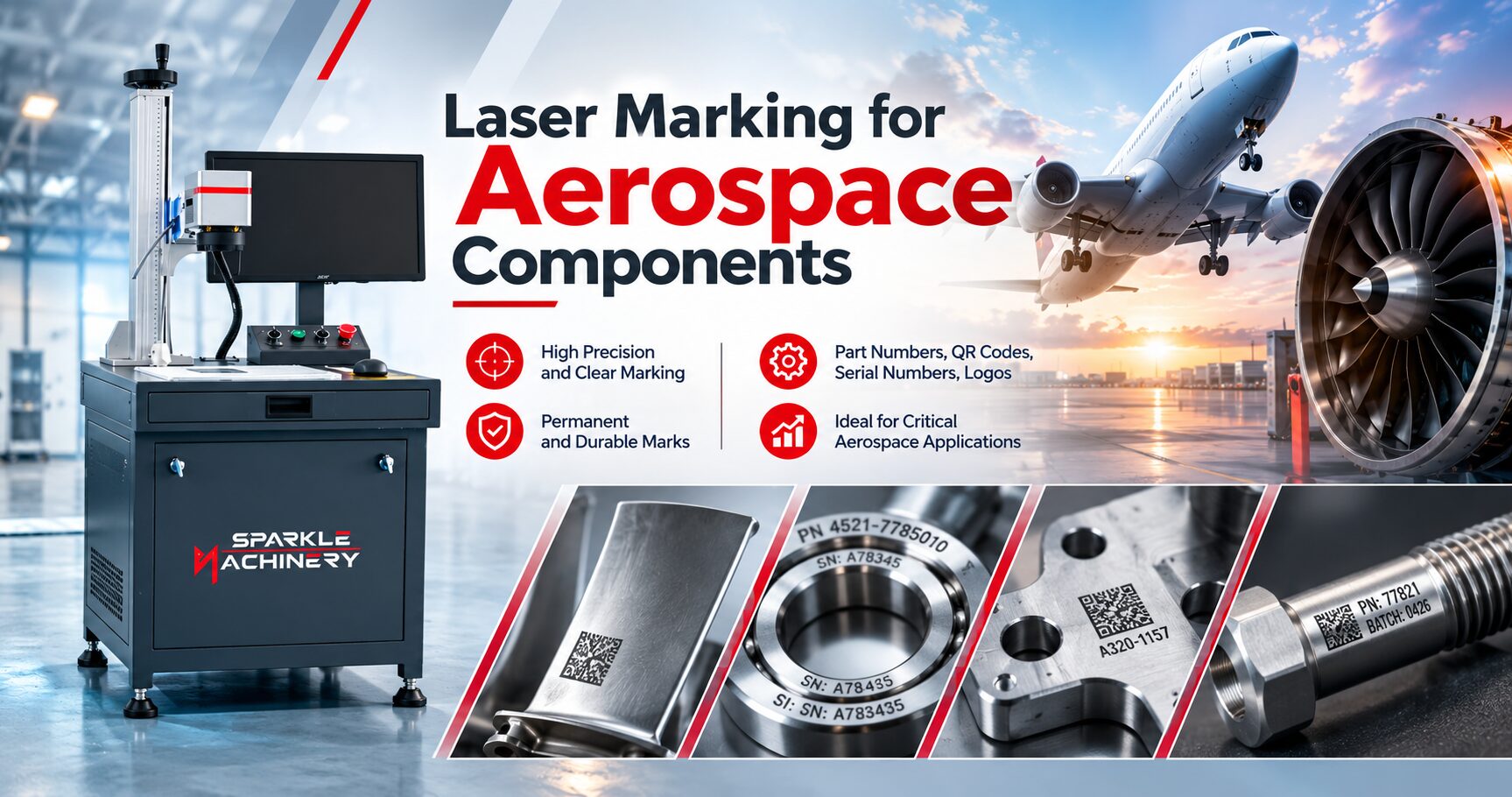
A laser marking machine can permanently mark serial numbers, barcodes, QR codes, logos, part numbers, and other identification information directly onto components.
Compared with processes that require labels, inks, or other consumables, laser marking can provide a clean and repeatable method of product identification.
How laser marking supports efficiency:
- High-speed marking
- Contactless processing
- Permanent identification
- Minimal consumables
- Consistent marking quality
- Easy integration with production lines
- Suitable for automated traceability
For manufacturers producing large quantities of components, reducing marking cycle time can have a direct impact on overall production efficiency.
2. Laser Welding Machines
Laser welding machines use a concentrated heat source to create precise welds.
The process can be useful where manufacturers require accuracy, repeatability, controlled heat input, and high production speed.
Energy efficiency in laser welding depends on the complete system and process conditions. Studies have found that parameters such as laser power, welding speed, and focus position can significantly influence energy consumption and welding quality. (ScienceDirect)
Benefits can include:
- High welding speed
- Precise heat input
- Reduced distortion
- Consistent weld quality
- Lower rework requirements
- Suitability for automation
- Improved production repeatability
This makes laser welding particularly relevant for applications in automotive components, sheet metal fabrication, electrical components, engineering, and other precision manufacturing sectors.
3. Laser Cleaning Machines
Surface preparation is an important part of manufacturing.
Rust, paint, oxide layers, grease, and other contaminants may need to be removed before welding, coating, painting, or other processes.
Laser cleaning machines provide a contactless method for surface cleaning and can reduce dependence on certain abrasive or chemical cleaning processes, depending on the application.
Efficiency advantages include:
- Contactless cleaning
- Controlled surface treatment
- Reduced mechanical wear
- No abrasive media in the laser process
- Suitable for automated cleaning applications
- Consistent cleaning results
By reducing manual cleaning effort and improving preparation consistency, laser cleaning can contribute to overall manufacturing productivity.
4. Laser Cutting Machines
Material utilization is an important part of manufacturing cost.
Laser cutting machines can produce accurate profiles and complex shapes with a narrow cutting path, depending on the material and application.
Laser cutting can help manufacturers achieve:
- High cutting accuracy
- Repeatable production
- Efficient material utilization
- Reduced rework
- Faster processing
- Automated production
Better nesting and cutting strategies can further improve material utilization.
This is important because manufacturing efficiency is not only about electricity consumption. Material savings, processing time, and reduced rejection also contribute to the total cost of production.
Energy Efficiency Is More Than Machine Power
One common mistake is to judge machinery efficiency only by its wattage or rated power.
For example, consider two manufacturing machines:
Machine A
- Lower rated power
- Longer processing time
- More manual intervention
- Higher rejection
Machine B
- Higher rated power
- Faster processing
- Better repeatability
- Lower rejection
- Higher automation
Machine B may consume more electricity at a given moment, but if it produces significantly more acceptable components in the same production period, its energy consumption per finished component may be lower.
This is why manufacturers should evaluate energy efficiency together with productivity, quality, cycle time, and material utilization.
Research on laser welding has demonstrated this principle: process parameter selection can change energy demand considerably while maintaining similar weld quality. One study reported potential electrical energy savings of up to 60% for a given welding application through parameter selection alone. (DOI)
Role of Automation in Energy-Efficient Manufacturing
Automation can play an important role in improving production efficiency.
A laser machine can be integrated with:
- PLC systems
- Robotic arms
- Conveyors
- Rotary indexing systems
- Vision systems
- Sensors
- Automatic loading and unloading
- Customized production lines
Laser automation can reduce unnecessary manual handling and improve production consistency.
For high-volume production, automation can also help maintain optimized process parameters and reduce idle or waiting time.
The goal is not automation for its own sake. The objective is to create a production system that delivers higher output with better utilization of energy, manpower, materials, and machine time.
6 Ways Manufacturers Can Improve Energy Efficiency
Buying new machinery is only one part of improving energy efficiency.
Manufacturers can also focus on the following areas:
1. Optimize Process Parameters
Laser power, speed, frequency, focus position, and other parameters should be selected according to the material and application.
Incorrect parameters can increase processing time and energy consumption.
2. Reduce Machine Idle Time
Machines and supporting equipment should not remain unnecessarily active during long idle periods.
Production planning and automatic standby functions can help where available.
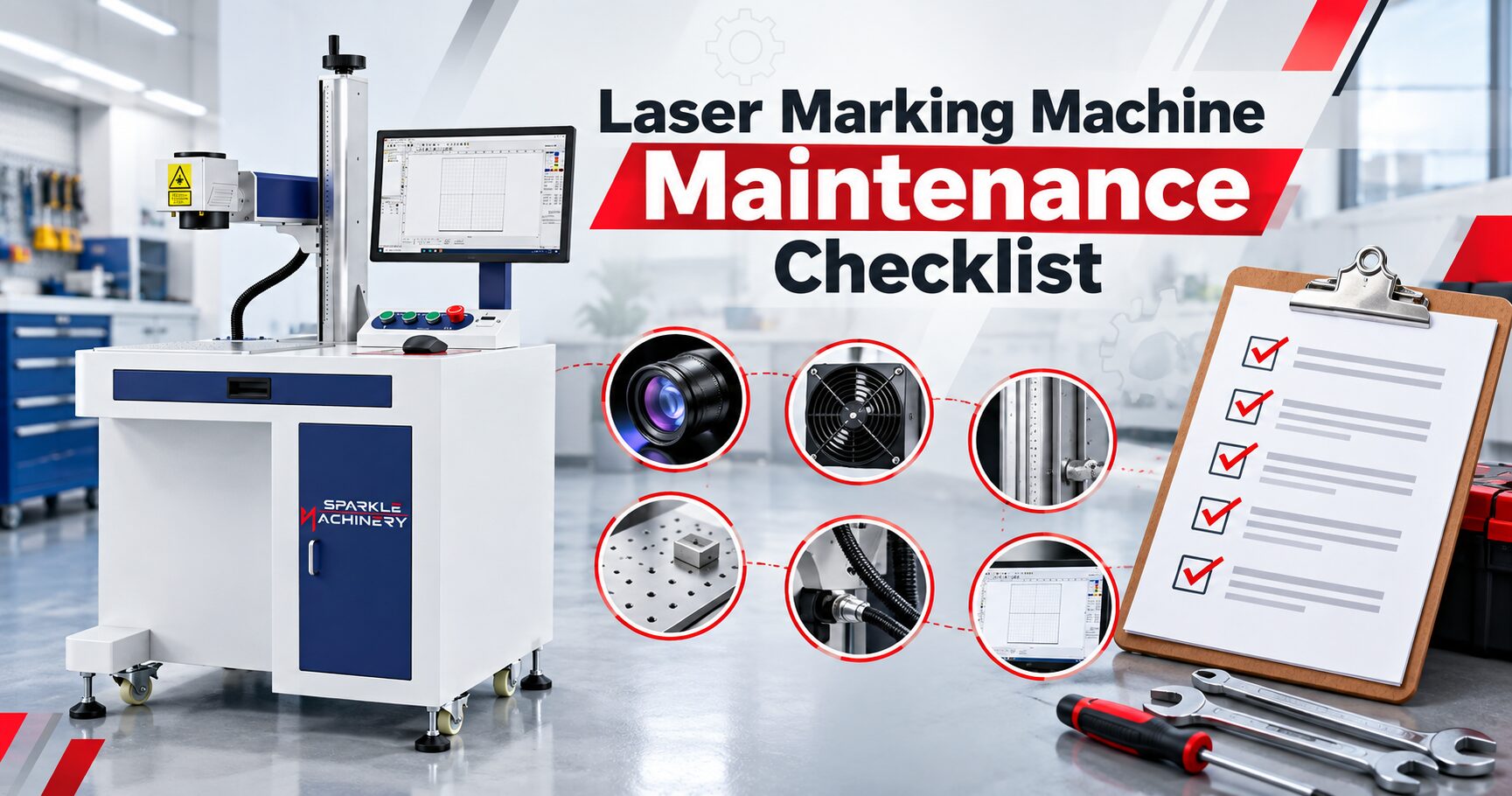
3. Maintain Equipment Regularly
Dirty optics, worn components, cooling issues, and poor machine condition can affect process performance.
Regular maintenance helps maintain stable operation.
4. Reduce Rework and Rejection
Every rejected component represents wasted material, energy, machine time, and labour.
Consistent laser processing can help reduce variation in suitable applications.
5. Improve Material Utilization
For cutting applications, optimized nesting and accurate cutting strategies can reduce material wastage.
6. Measure Energy Against Production Output
Instead of only monitoring total electricity consumption, manufacturers can evaluate:
Energy consumed per component
or
Energy consumed per unit of production
This provides a more meaningful measure of manufacturing efficiency.
How Indian Manufacturers Can Benefit from Energy-Efficient Machinery
Indian manufacturing companies operate in highly competitive markets where production cost, quality, delivery time, and productivity directly influence business performance.
For industries such as automotive, engineering, electrical, electronics, sheet metal fabrication, aerospace, EV, machinery manufacturing, and general industrial production, improving process efficiency can provide a significant competitive advantage.
Investing in suitable energy-efficient machines for manufacturing can help companies work toward:
- Lower production costs
- Higher throughput
- Better process consistency
- Reduced material wastage
- Lower manual intervention
- Improved traceability
- Better utilization of production resources
However, the right solution depends on the specific application.
Choosing the Right Energy-Efficient Machinery
Before investing in new industrial machinery, manufacturers should evaluate more than the machine’s purchase price.
Consider:
- Power consumption
- Production speed
- Cycle time
- Expected production volume
- Material utilization
- Maintenance requirements
- Automation capability
- Product quality
- Rejection and rework rate
- Total cost of ownership
A machine with a higher initial investment may provide better long-term value if it significantly improves productivity and reduces operating costs.
Therefore, manufacturers should evaluate return on investment (ROI) and cost per finished component, rather than focusing only on the initial machine price.
The Future of Energy-Efficient Manufacturing
The future of manufacturing is moving toward greater automation, process monitoring, resource efficiency, and data-driven production.
Laser technology can be an important part of this transition.
From fiber laser marking machines and laser welding systems to laser cleaning, laser cutting, and customized automation, manufacturers can select technologies according to their specific production requirements.
The key is to optimize the complete manufacturing process.
Energy-efficient manufacturing does not necessarily mean using the lowest-powered machine. It means using the right technology, the right parameters, and the right production strategy to achieve maximum useful output from the resources consumed.
Conclusion
Energy-efficient machinery can help manufacturers reduce operating costs while improving productivity and production consistency.
Laser technology offers several opportunities in this area through precise marking, controlled welding, efficient cleaning, accurate cutting, and automated production.
For manufacturers considering new machinery, the best approach is to evaluate the complete process—including energy consumption, production speed, material utilization, quality, maintenance, automation, and total cost of ownership.
At SM Laser Technology, we provide industrial laser solutions including laser marking machines, laser welding machines, laser cleaning machines, laser cutting solutions, and customized laser automation systems.
The right laser solution depends on your material, application, production volume, and required output. An application evaluation can help determine which technology is most suitable for your manufacturing process.