In the current automotive sector, product traceability is a serious demand and not merely an operational strength. As the complexity of the vehicle components rises, the regulatory requirements are getting tougher, and to maintain an efficient supply chain management, manufacturers have to make sure that all the parts employed in the production of vehicles can be tracked precisely during their lifecycle.
Product traceability helps automotive manufacturers to determine the source, batch of production, and the processing history of each component. This is particularly necessary when it comes to quality control, recalls, warranty, and conforming to international standards. Ink printing, labels, and mechanical engraving used to be quite popular methods of marking automotive components; however, all of them have acquired the same vulnerability to durability, wear, and imprecision problems.
It is here that laser marking technology has been seen as the dawn of a revolution. Laser marking offers permanent, high-precision, and tamper-resistant markings on automotive parts, which guarantee a reliable traceability throughout the manufacturing and supply chain process.
In the case of Sparkle Machinery, laser marking systems pose an alternative, more efficient, reliable, and advanced way of marking parts by serial number, QR codes, barcodes, and logos, among other identification codes. This blog will discuss the use of laser marking to enhance product traceability in the car manufacturing industry and why it has become a vital technology in current manufacturing industries.
Understanding Product Traceability in Automotive Manufacturing
Product traceability is the process whereby one is able to trace and monitor every part or product through the whole manufacturing cycle- raw material, vehicle assembly, and even after-market service.
In automotive buildings, thousands of parts are fitted in one automobile, such as engine parts, electronic modules, safety systems, chassis parts, and interior parts. Every one of these sections should be traceable and recognizable to guarantee quality and control regulations.
Traceability is generally the practice of marking parts with distinctive numbers, like:
- Serial numbers
- Batch numbers
- Data Matrix codes
- QR codes
- Barcodes
- Manufacturer logos
These identifiers enable manufacturers to monitor data of production, supplier information, manufacturing dates, and quality inspection information.
Traceability is hard to achieve, and it is likely to be inaccurate without an effective marking technique. Peeling off labels, fading ink, and mechanical engravings do not solve the problem of high-speed production lines. The solution to these problems is laser marking, which provides permanent and precise marks on the surface of the component.
What is Laser Marking Technology?
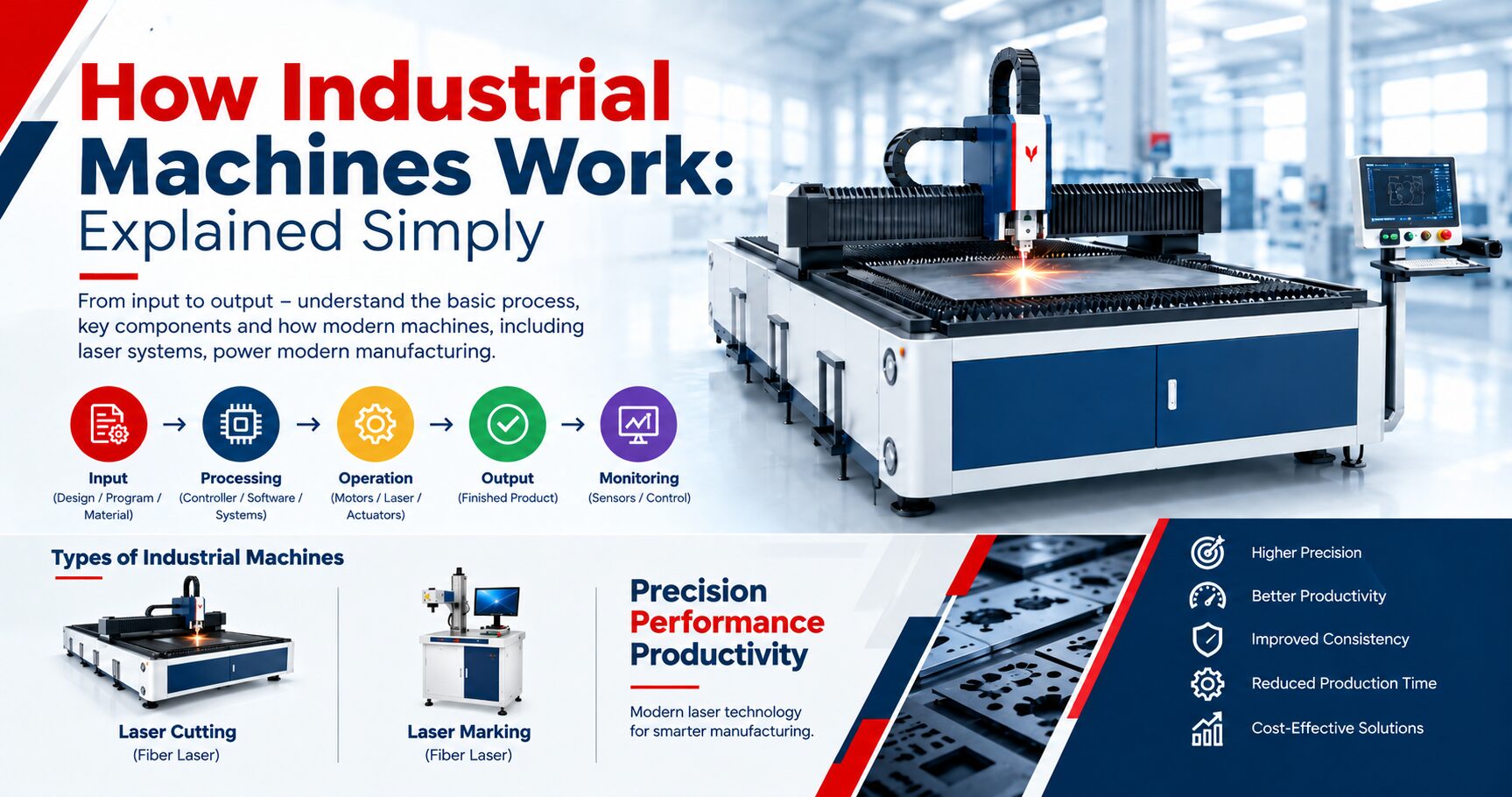
Laser marking is a process of making permanent marks on a material surface and is a non-contact process that involves a directed beam of laser to modify the surface of a material. Laser marking, in contrast to traditional methods of marking, does not need inks, handles, or any physical contact with the marking part.
The effects of the laser beam on the material surface include:
- Annealing – forming a change of color without material loss.
- Engraving – a subtractive process, depressing material to form deep marks.
- Etching – shallow, high-contrast marks.
- Foaming – the formation of raised marks on some plastics.
Laser marking systems have been applied to a large variety of materials, which are typically used in automotive manufacturing, such as:
- Stainless steel
- Aluminum
- Titanium
- Plastics
- Coated metals
- Rubber components
- Ceramic materials
The marks are made by altering the material itself, making them very strong and wear-resistant, and so the ability to withstand heat, corrosion, and chemicals.
Key Benefits of Laser Marking for Automotive Traceability
1. Permanent and Durable Markings
The environment under which automotive components are subjected can be extreme in terms of high temperatures, friction, oils, chemicals, and mechanical stress. Old-fashioned labels or ink marks are easily lost in such circumstances.
Laser markings are permanent marks that are integrated into the surface of the material. These marks are also visible in the entire life of the part.
This ruggedness is what is needed in such parts as:
- Engine parts
- Transmission systems
- Brake components
- Electronic control units (ECUs).
- Safety-critical parts
Permanent marking ensures the product identification remains intact even in the event of years of usage.
2. High Precision and Accuracy
Automotive parts have little area available to mark. Laser marking systems are very precise, and the manufacturers can produce detailed markings on very tiny parts.
Laser systems can produce:
- Micro text
- High-density Data Matrix codes.
- QR codes
- Fine serial numbers
Automated scanning systems can read these markings, which is why they are the most convenient to implement into the digital manufacturing and Industry 4.0 context.
High accuracy also brings uniformity in the marking of parts in thousands of parts manufactured in high production lines.
3. Enhanced Quality Control
In the process of manufacturing vehicles, traceability is significant to ensure that the product remains of high quality. Making each component have a unique identifier will enable manufacturers to monitor the production information and detect flaws promptly.
Laser marking enables:
- Batch tracking
- Identification of a production line.
- Supplier traceability
- Quality inspection records
In case a defect is identified, manufacturers can do so easily by tracking the parts that were impacted by a defect to the production batch, machine, or supplier involved. This assists in minimizing the magnitude of recalls as well as improving the root cause analysis.
In one such case, in case a defective consignment of engine parts is identified, laser-marked serial numbers would enable the companies to know which vehicles have the specific components.
4. Faster Production and Automation Integration
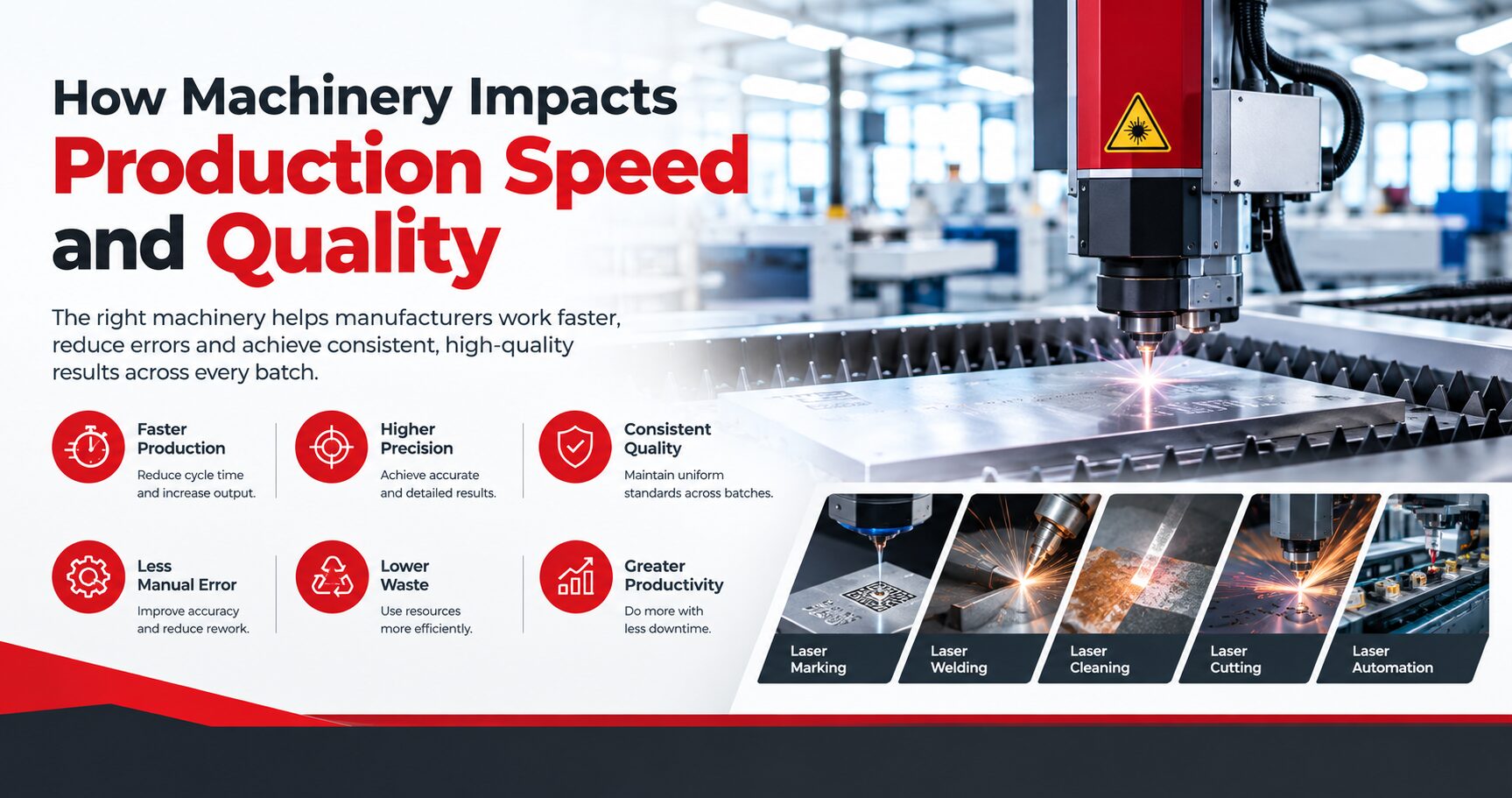
The current production of automobiles depends on high-speed production lines and automation to a significant extent. The laser marking systems are simple to incorporate into automated manufacturing systems.
Benefits include:
- High-speed marking
- Minimal downtime
- Scanning and verification are automated.
- MES (Manufacturing Execution Systems) Integration.
The laser marking machines can mark the parts in seconds, and the production speed is not affected.
Also, automated vision systems can check the accuracy and readability of the markings in real-time, and therefore, the human error is minimized, and the production is enhanced.
5. Cost Efficiency and Low Maintenance
The initial expenditure on laser marking systems might be comparatively high compared to the conventional marking systems, but the long-term cost of operation will be very low.
Laser marking systems do not need:
- Ink cartridges
- Chemicals
- Labels
- Replacement tools
This minimizes the consumables and maintenance.
Moreover, laser systems last longer before they give up, and they also do not require as much maintenance as compared to mechanical engraving or inkjet printing systems.
In the case of automotive manufacturers that are manufacturing thousands of parts a day, this translates to cost savings of a huge amount in the long run.
6. Anti-Counterfeiting and Product Authentication
False automotive parts are an increasing issue in the automotive industry in the world. Counterfeit components may undermine the safety of vehicles and harm the reputation.
Laser marking serves as a good solution for product authentication and anti-counterfeiting.
The manufacturers can label parts with:
- Unique serial numbers
- Secure QR codes
- Custom logos
- Traceable Data Matrix codes
These markings may be checked by scanning systems, and counterfeiters find it hard to duplicate the authentic parts.
Superior laser marking innovations also enable manufacturers to make micro-markings or secret codes, which will give them extra security.
7. Compliance with Industry Regulations
The car companies are forced to adhere to stringent rules and quality standards in the industry. The regulatory agencies compel manufacturing firms to exercise good traceability on the parts they use in vehicles.
Laser marking contributes to the ability of manufacturers to meet the requirements of:
- Quality management standards of ISO.
- Traceability needs of the automotive industry.
- Occupational health and safety standards of different nations.
The permanent laser marking will make sure that important information about the product is available to the audits, inspections, and government compliance.
This is especially necessary on safety-critical parts that are to be utilized in braking systems, airbags, and electronic control systems.
Applications of Laser Marking in Automotive Components
Laser marking is also highly applied in different automotive components and systems. Its uses are commonplace and include:
Engine Components
Laser marking, engine blocks, pistons, crankshafts, and cylinder heads are marked with serial numbers and manufacturing data.
The markings assist the manufacturers in the monitoring of the engine components during the production and servicing processes.
Transmission Parts
Gearboxes, clutch systems, and transmission housings need robust markings that will endure high temperatures as well as mechanical stress.
In order to make identification codes visible even in extreme working conditions, Laser marking is applied.
Electronic Components
In modern cars, the usage of electronic devices like sensors, ECUs, and control modules is critical. Such parts demand accurate and small markings.
Laser technology helps manufacturers to etch small electronic components with Data Matrix codes and serial numbers without breaking delicate components.
Safety Components
Important safety items like airbags, brakes, and seatbelt mechanisms must be properly tracked.
Laser marking is used to make sure that such components can be traced and verified in their lifecycle.
Why Automotive Manufacturers Choose Sparkle Machinery Laser Marking Systems
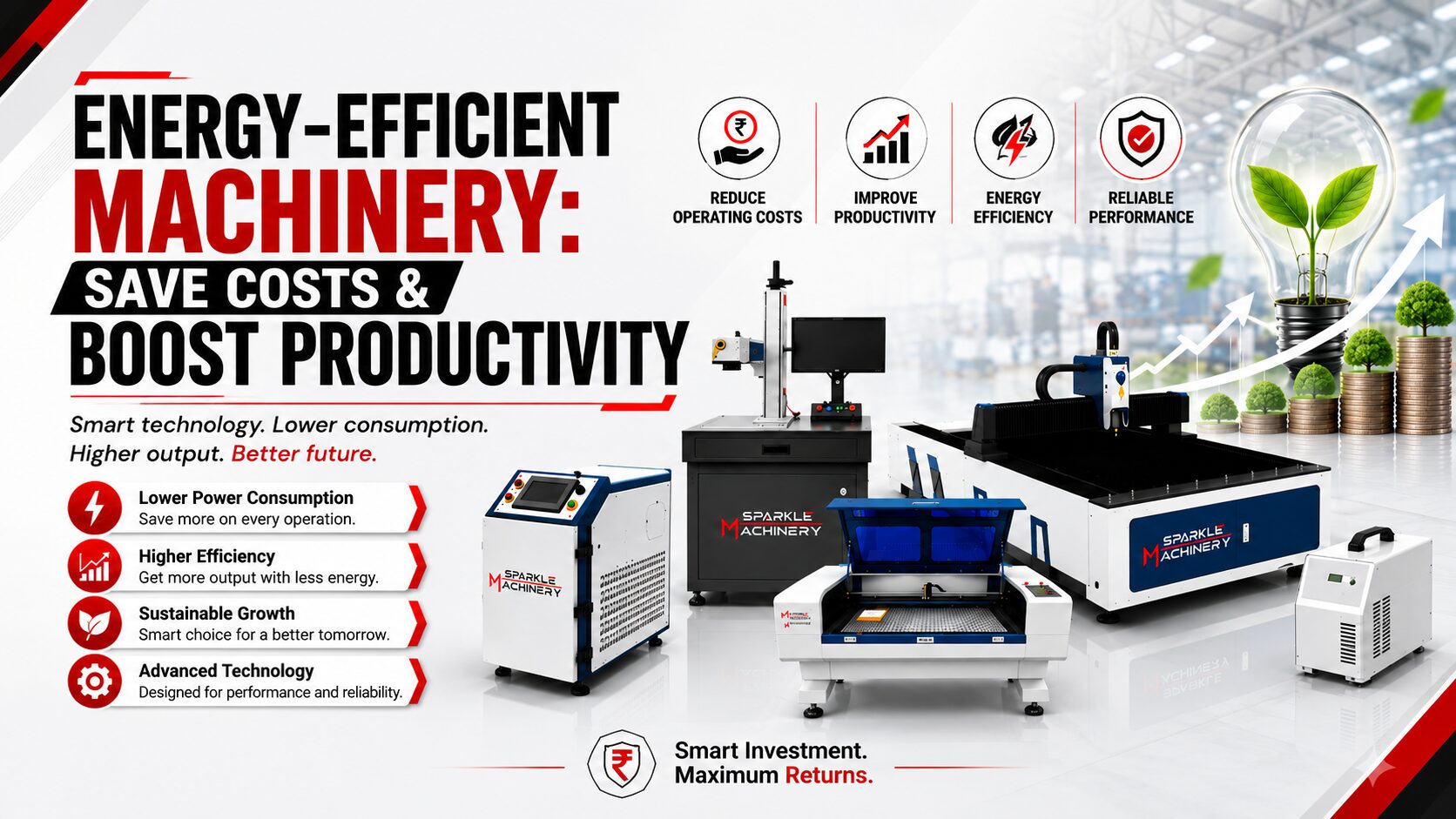
Sparkle Machinery is a company that offers high-end laser marking that is specific to the industrial and automotive manufacturing sectors.
Key advantages include:
- Industrial laser marking machines are very fast.
- High accuracy marking of complex automotive components.
- Production lines can be customized.
- Combination with automation systems.
- High quality and strong equipment.
The laser marking systems of Sparkle Machinery can be used to enhance productivity, traceability, and the quality of marks in auto manufacturers.
Sparkle Machinery has expertise in engineering and the industry, which assists manufacturers in coping with the increasing automotive production needs.
Future of Laser Marking in Automotive Manufacturing
With the ongoing development of the automotive sector towards the use of electric cars, intelligent manufacturing, and Industry 4.0 technologies, traceability will continue to gain importance.
The trends in laser marking in the future are:
- The quality inspection systems are AI-powered.
- Integration into the digital manufacturing systems.
- High-tech data tracking codicology.
- Smart factory connectivity
Laser marking will be instrumental in facilitating manufacturers to develop production systems that are completely traceable and data-driven.
It is a technology that will enable the automotive companies to enhance transparency, safety, and efficiency in the overall supply chain.
Conclusion
Product traceability is an essential element of modern automotive production, which provides quality control, compliance with regulations, and effective management of the supply chain. During the era of technological advancement of the vehicle and a more sophisticated production process, there is a crucial need to have reliable traceability solutions.
Laser marking technology has become one of the most promising technologies that allows obtaining permanent, high-precision, and durable markings on automotive components. Laser marking is a great way of improving product identification and tracking because manufacturers can mark parts with serial numbers, barcodes, QR codes, and Data Matrix codes.
Laser marking has a wide range of advantages to the automotive sector, such as enhancement of quality control and minimization of recall risks, curbing counterfeiting, and aiding automation.
Automobile manufacturers can adopt new technology through innovative solutions by companies such as Sparkle Machinery to adopt the new laser marking systems that are dependable in terms of traceability, enhanced productivity, and operational efficiency.
With the industry shifting toward more intelligent and interconnected manufacturing systems, laser marking will remain an important part of helping the future of vehicle production.