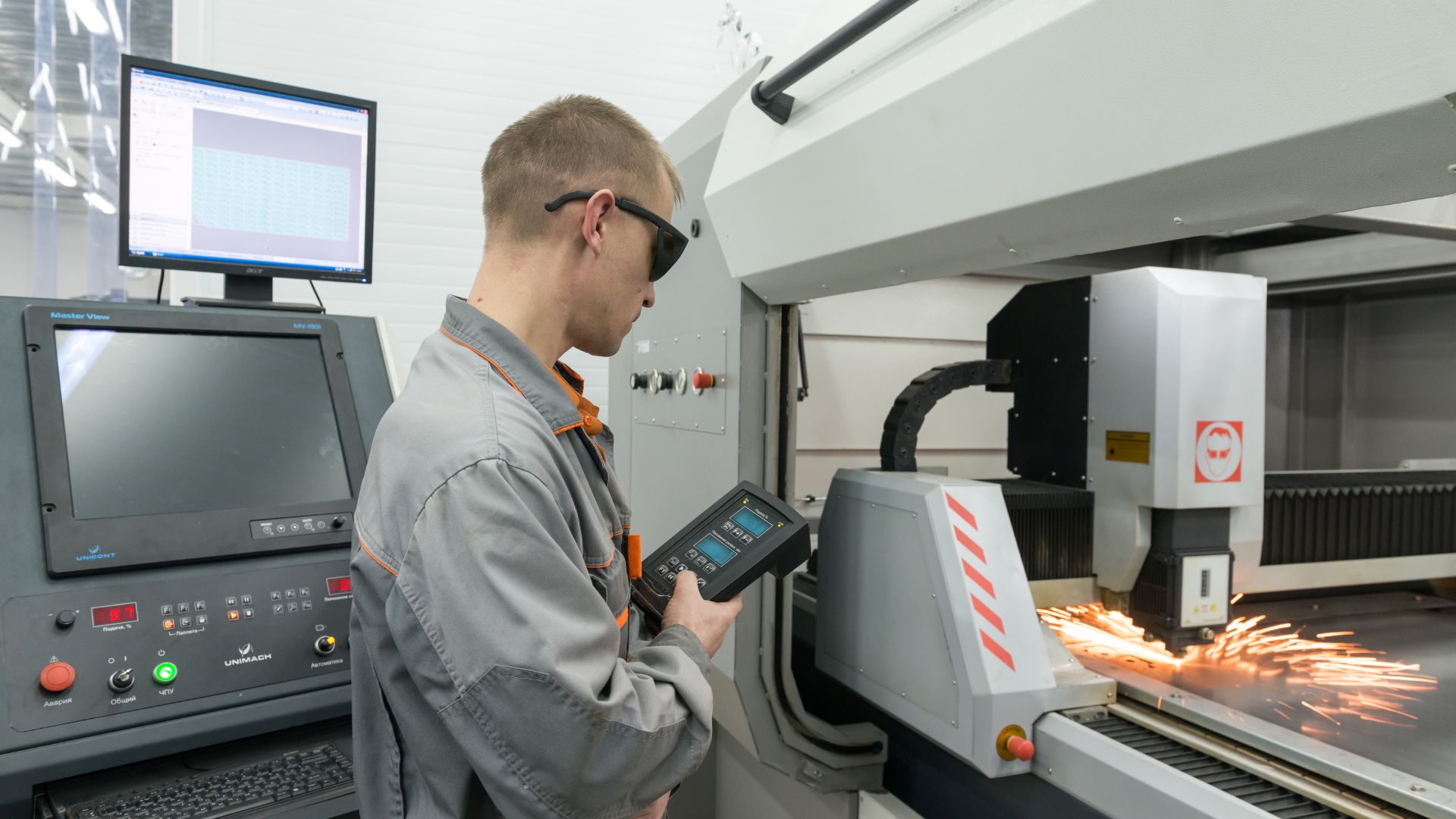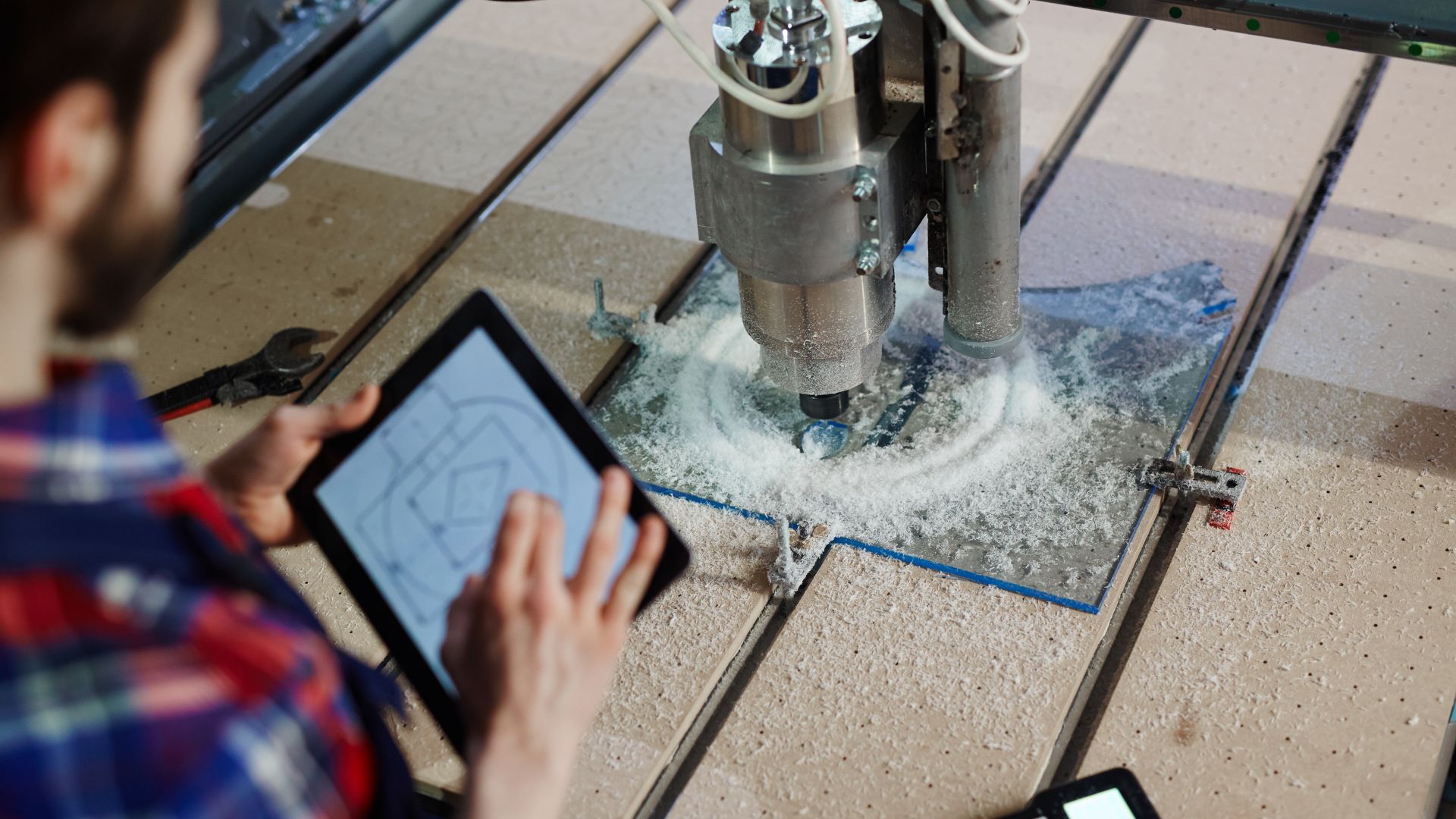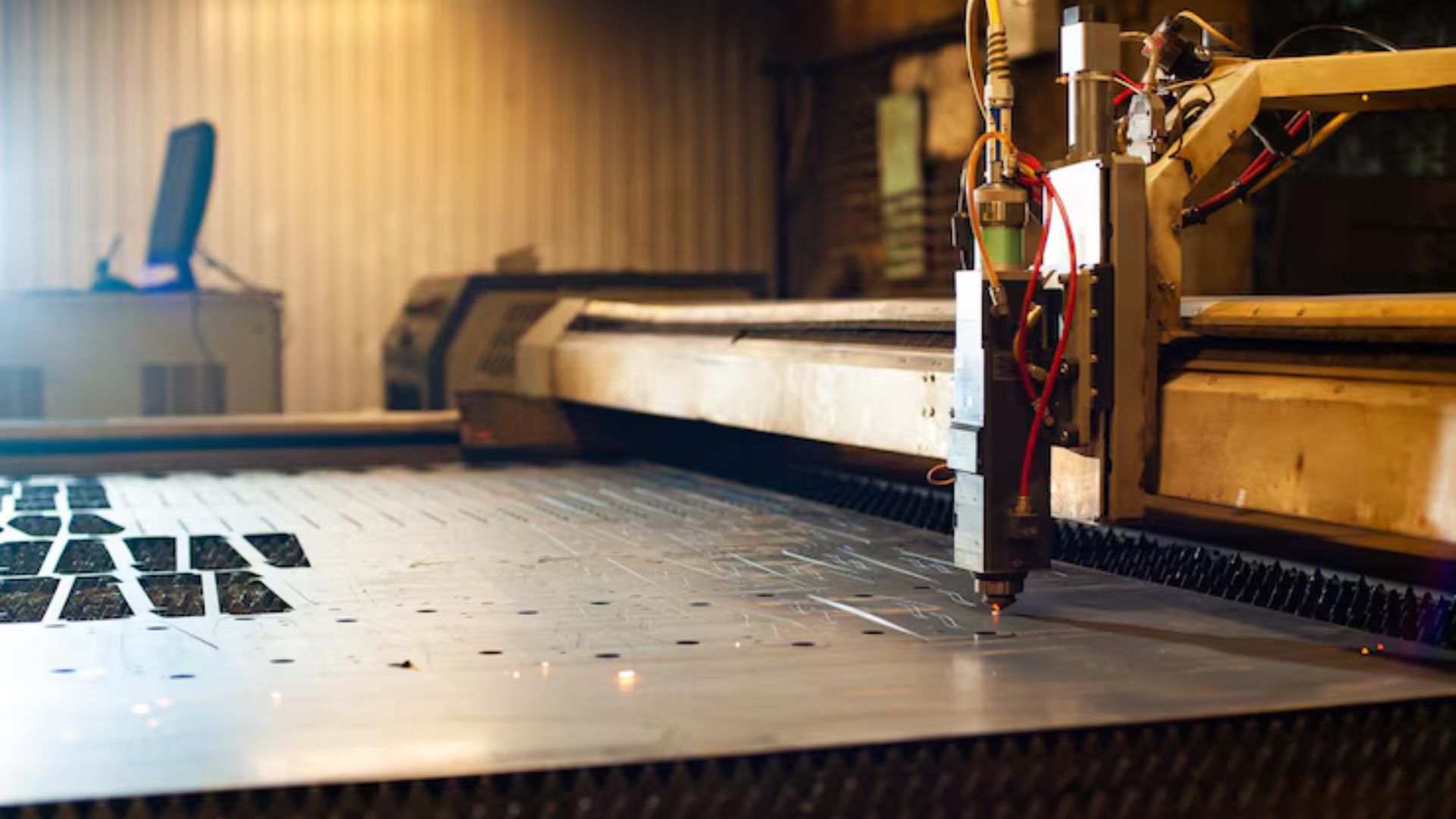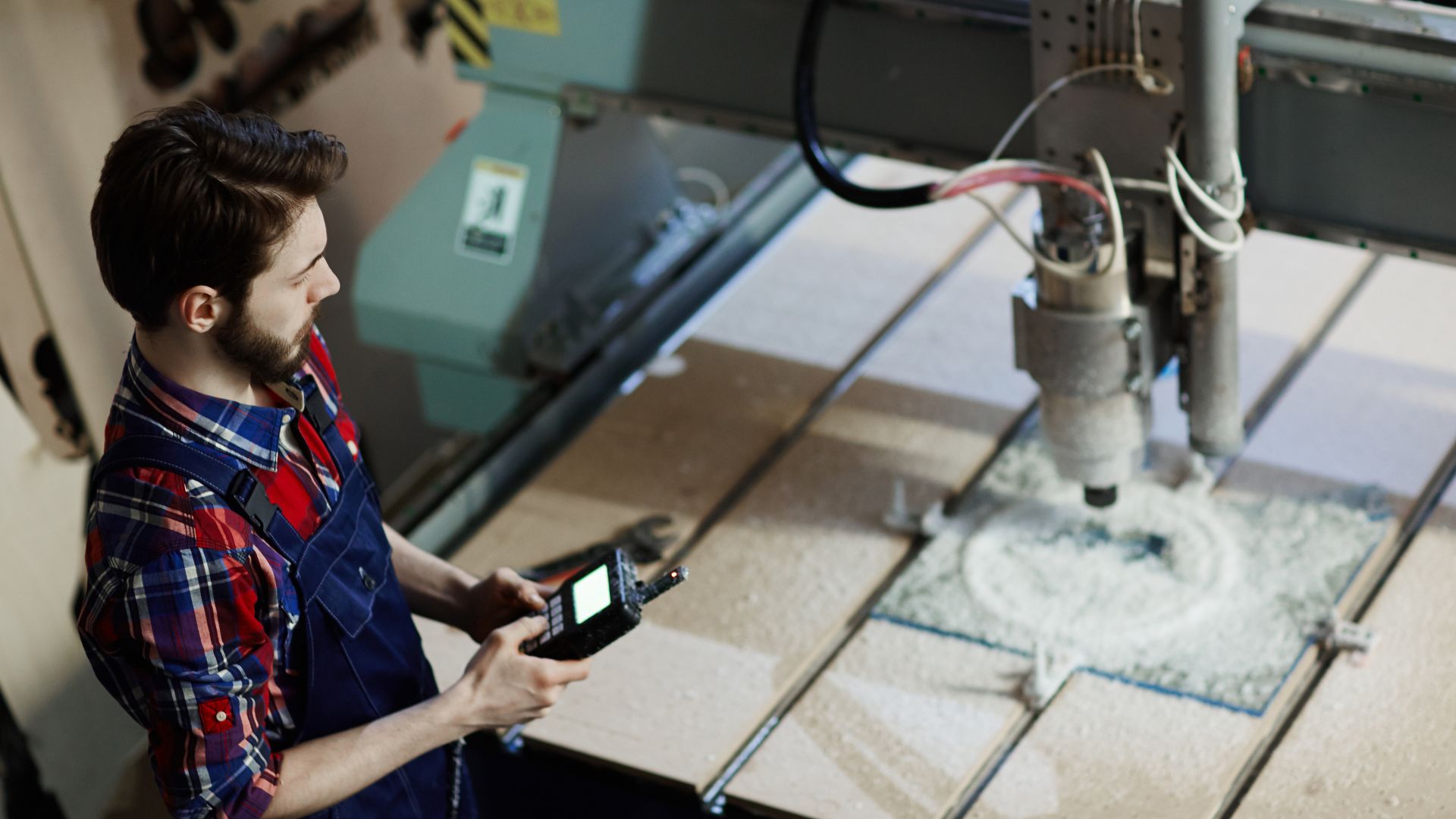
The contemporary production has acquired a new face with laser welding machines because it offers unparalleled precision, speed, and efficiency. Automotive, electronic, aerospace, medical equipment, and metal fabrication industries have a heavy dependency on laser welding technology as they need high-quality, durable welds with minimum distortion. Nevertheless, similar to any other complex equipment, a laser welding machine must undergo consistent maintenance in order to work optimally.
Laser welding machines are capable of running smoothly for a number of years when they are maintained well, guaranteeing consistent weld quality with lower downtime and repair costs. Conversely, failure to perform maintenance may result in performance problems, unpredictable outages, costly maintenance, and even worse, safety risks.
Preventive maintenance is not merely a suggestion to businesses that require laser welding equipment, which is why it is a requirement. Through a few basic yet efficient maintenance measures, operators will be able to increase the lifespan of their machines to a great extent without reducing their productivity.
In this blog, we will explore five essential maintenance tips that can help extend the life of your laser welding machine and keep it operating at peak performance.
Manufacturers like Sparkle Machinery are continuously improving laser welding technology by developing reliable and efficient machines that support modern industrial production.
1. Keep the Optics Clean and Protected
The optical elements of a laser welding machine, such as lenses, mirrors, and protective glasses, are very important in that they help in pointing the laser beam precisely on the welding surface. The presence of dust, metal dust, or even residue of smoke can even lead to a decrease in beam quality and affect the accuracy of welding.
Why Optical Maintenance Matters
Laser welding depends on the beams of light that are highly focused. In case the optical path is contaminated, the laser power may be reduced, resulting in variable weld penetration and quality of the weld . Over time, contaminated optics may also become damaged due to heat buildup.
Maintenance Tips for Optics
- Examine optics often to eliminate dust, fingerprints, or welds.
- Apply acceptable cleaning agents and lint-free cloths that are made to clean the optical parts.
- Bare hands should not be touched on optical surfaces because oils may damage them.
- Install protective windows to shield critical lenses from debris and spatter.
- Check damaged optics and replace them as soon as possible to avoid distortion of the beam.
Relevant optical cleaning would not only enhance the precision of welding but also minimize the stress of the laser system.
2. Maintain Proper Cooling System Performance
The operation of laser welding machines produces a lot of heat. In the absence of an effective cooling system, internal parts will overheat, leading to poor performance or even damage.
The majority of industrial laser welders use water chillers or cooling units to control temperature. Unless the cooling system is well maintained, the laser source and internal electronics will be subjected to unnecessary heat.
Common Cooling System Issues
- Blocked filters
- Low coolant levels
- Contaminated cooling water
- Poor water circulation
These problems may cause overheating, and it is one of the most frequent reasons why laser machines fail.
Cooling System Maintenance Tips
- Monitor the coolant levels and replenish as needed.
- Apply coolant fluids that are approved by the manufacturer to avoid corrosion and scaling.
- Filter cleaning/replacement to allow smooth flow of water.
- Check the temperature of the coolant to make sure it does not exceed the recommended limit.
- Check connections and hoses to confirm leakage/blockages.
Perpetual maintenance of the cooling system makes the laser source stable and avoids expensive downtime.
3. Regularly Inspect Electrical Components
Laser welding machines are dependent on sophisticated electronics such as power supplies, control boards, sensors, and wires. Electrical problems may result in errors in a machine or even lead to a system shutdown.
Periodic checking of electrical components can be used to identify possible issues in time before they evolve into major ones.
Signs of Electrical Problems
The warning signs to look out for in operators are:
- Unexpected machine failure.
- Fluctuating laser power
- Control panel error messages.
- Smell of burning or excessive heating elements.
Electrical Maintenance Best Practices
- Check wiring and connectors for loose connections or damage.
- Electrical cabinets should be in a clean state without dust.
- Grounding systems to ensure adequate electrical safety.
- Check the stability of the voltage to ensure delicate electronics.
- Install regular check-ups by qualified technologists.
The electrical preventive maintenance process assists in ensuring uniformity in the performance of the machine and also minimizes the danger of sudden failure.
4. Maintain a Clean Working Environment
The level of the working environment surrounding your laser welding machine is one of the factors that are of great importance in the longevity of your machine. Humidity, dust, metal particles, and oil vapors may adversely influence machine parts.
The workspace can become contaminated with optics, cooling systems, and internal electronics due to a poorly maintained workspace.
Environmental Factors That Affect Laser Machines
- Dust and airborne particles
- Welding fumes
- High humidity
- Temperature fluctuations
- Grinding of metal around the machine.
Such aspects may slow down the efficiency of machines and hike up the maintenance needs.
Tips for Maintaining a Clean Workspace
- Install good ventilation and fume-extracting systems.
- No grinding/ cutting of objects around the laser machine.
- Keep the room temperature and humidity at a constant level.
- Clean surfaces and floors on a regular basis.
- Withdraw the protection covers when not using the machine.
A safe and hygienic workplace helps to ensure that the machine lasts longer, as well as increases the productivity and safety of the operator.
5. Follow a Preventive Maintenance Schedule
Among the best possible methods of prolonging the life of any laser welding machine is to adopt a planned preventive maintenance program. Instead of addressing the problems after they arise, periodic check-ups and repairs can facilitate the identification of minor problems before they turn into big failures.
Benefits of Preventive Maintenance
- Reduced downtime
- Lower repair costs
- Improved welding quality
- Increased machine lifespan
- More efficient operations.
The use of preventive maintenance also makes sure that the machine does not stop running, regardless of the strenuous work in a factory.
Example Maintenance Schedule
Daily Tasks
- Check the machine and working environment.
- Check cooling system status.
- Check the stability of the laser output.
Weekly Tasks
- Clean optical components.
- Check cables and connectors.
- Check ventilation systems.
Monthly Tasks
- Test machine calibration.
- Check filters on the cooling system.
- Wipe down internal parts (where appropriate).
Annual Maintenance
- Check-up of the entire system by trained technicians.
- Mashery updates and calibration.
- New product refurbishment.
A preventive maintenance schedule allows addressing minor problems in the initial stage and contributes to increasing the reliability of machines in the long term.
Example Maintenance Schedule
Other than the above core maintenance practices, there are some other measures that can be taken by operators and facility managers to see to it that machines are operating at their peak performance.
Proper Operator Training
Efficiency in operating laser welding equipment should be trained among the operators. The machine can be damaged in case of incorrect settings, optics are not handled properly, or unsafe operating practices are practiced.
The training programs ought to include:
- Machine operation
- Safety procedures
- Basic troubleshooting
- Maintenance protocols
Use Genuine Replacement Parts
The compatibility and machine performance might occur due to the use of unapproved spare parts. Always use the imitated parts prescribed by the manufacturer.
Monitor Machine Performance
The state-of-the-art laser welding machines have diagnostic systems that check performance. Such systems are capable of giving early alerts of any possible problem, like power outages or issues in the cooling system.
Maintain Documentation
Maintain detailed maintenance records, dates of service, replacement parts, and check-ups. Maintenance documentation assists in detecting recurrent problems and contributes to the improved management of machines.
Conclusion
Laser welding equipment is a very specific and strong machine that is crucial in the contemporary factory. Nonetheless, they have a high level of technology, and therefore, they need regular care and maintenance to provide stable performance in the long run. Maintenance procedures like keeping the optical parts clean, keeping the cooling system, inspecting the electrical parts, keeping the workspace clean, and adhering to a preventative maintenance schedule will help a business to considerably increase the life of its laser welding machine.
Periodic maintenance helps to avoid any unexpected failures as well as guarantee high-quality welding, better safety, and more efficient functioning.
Investing time in maintaining machines is a good move that would safeguard the equipment and productivity of manufacturers who are dependent on the laser welding technology.
By implementing the appropriate maintenance plan, your laser welding machine can be used to produce precision, performance, and reliability for many years after purchase.
Companies such as Sparkle Machinery also emphasize the importance of proper maintenance practices to ensure laser welding machines deliver long-term reliability and consistent performance.